Schuylkill Hub Search

Outdoor Life · Wildlife

Fishes of Schuylkill County

32 documented taxa of the fishes (ray-finned fishes and allies) recorded in Schuylkill County, Pennsylvania — by iNaturalist research-grade records as of 2026-06-18 — with detailed accounts of the most notable, signature, and introduced species.

How this list is sourced. County presence is anchored to records filtered to Schuylkill County — iNaturalist research-grade observations (place 1470). Observation counts are an effort-biased signal of recording activity as of 2026-06-18, not a census. Biology and identification draw on state and museum authorities; per-species links go to Wikipedia for cross-reference only.

Conservation ranks here are relayed from NatureServe / iNaturalist and are not definitive Pennsylvania ranks — confirm against the Pennsylvania Natural Heritage Program (PNHP) before relying on them.

Detailed accounts

32 of the 32 documented taxa are profiled in detail below — the most-recorded, signature, introduced, and notable species. The complete checklist follows.

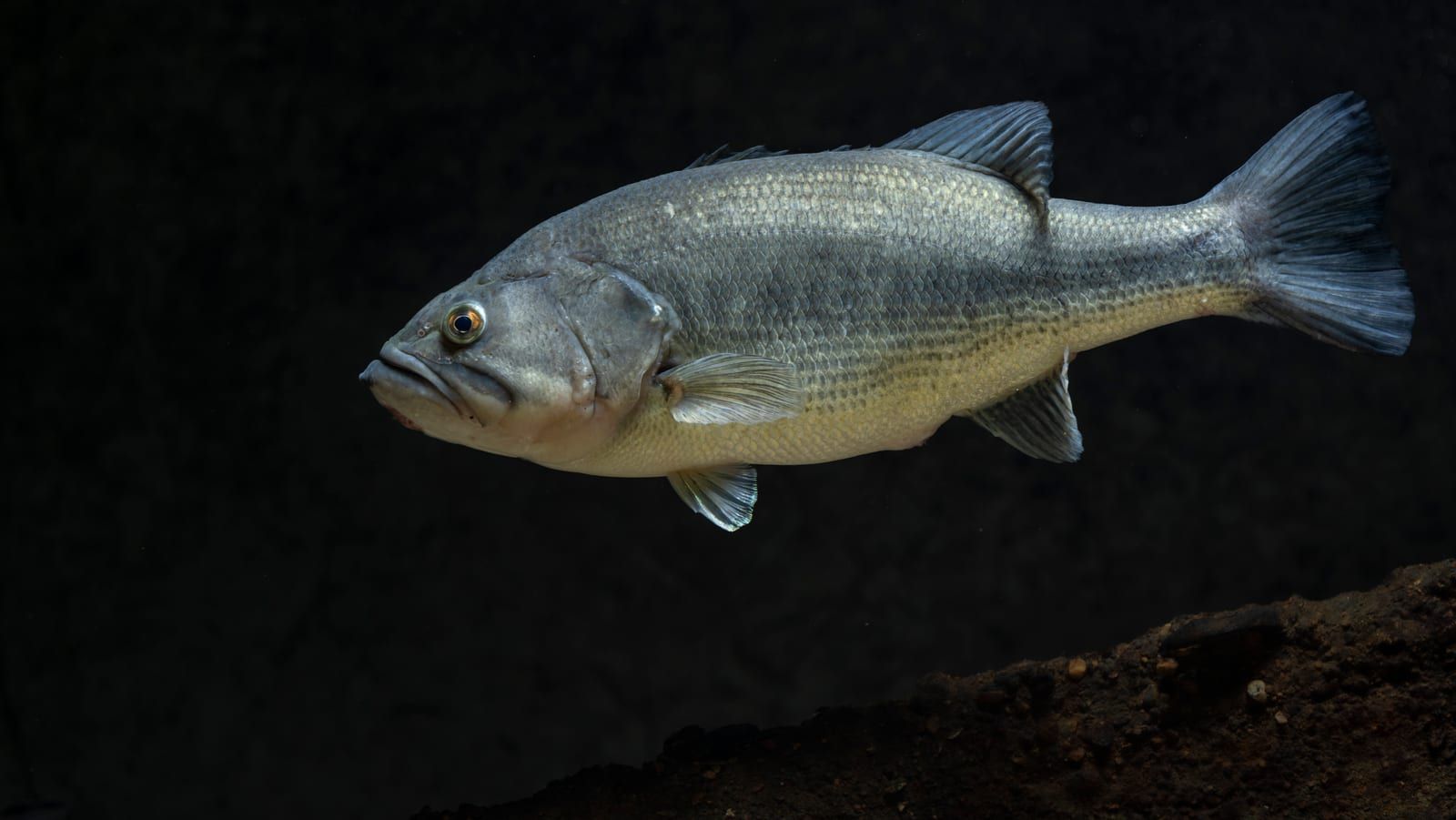
Largemouth Bass

Micropterus nigricans — Centrarchidae

Native

Description & ID
robust olive-green bass with a dark lateral band and a jaw that extends past the eye; dorsal fin nearly divided between spiny and soft portions.
Habitat
warm ponds, lakes, and slow river pools with vegetation and cover.
County status
present; 33 research-grade iNaturalist records — the most-recorded fish in the county [S1], reflecting its popularity with anglers.
Conservation status
native to the broader eastern US and widely stocked; a premier warmwater gamefish in PA [S6]. (confirm against PNHP)
Notes
ambush predator of fish, crayfish, and frogs; males guard nests. Taxonomy recently revised, splitting eastern populations as M. nigricans.

More on Wikipedia →

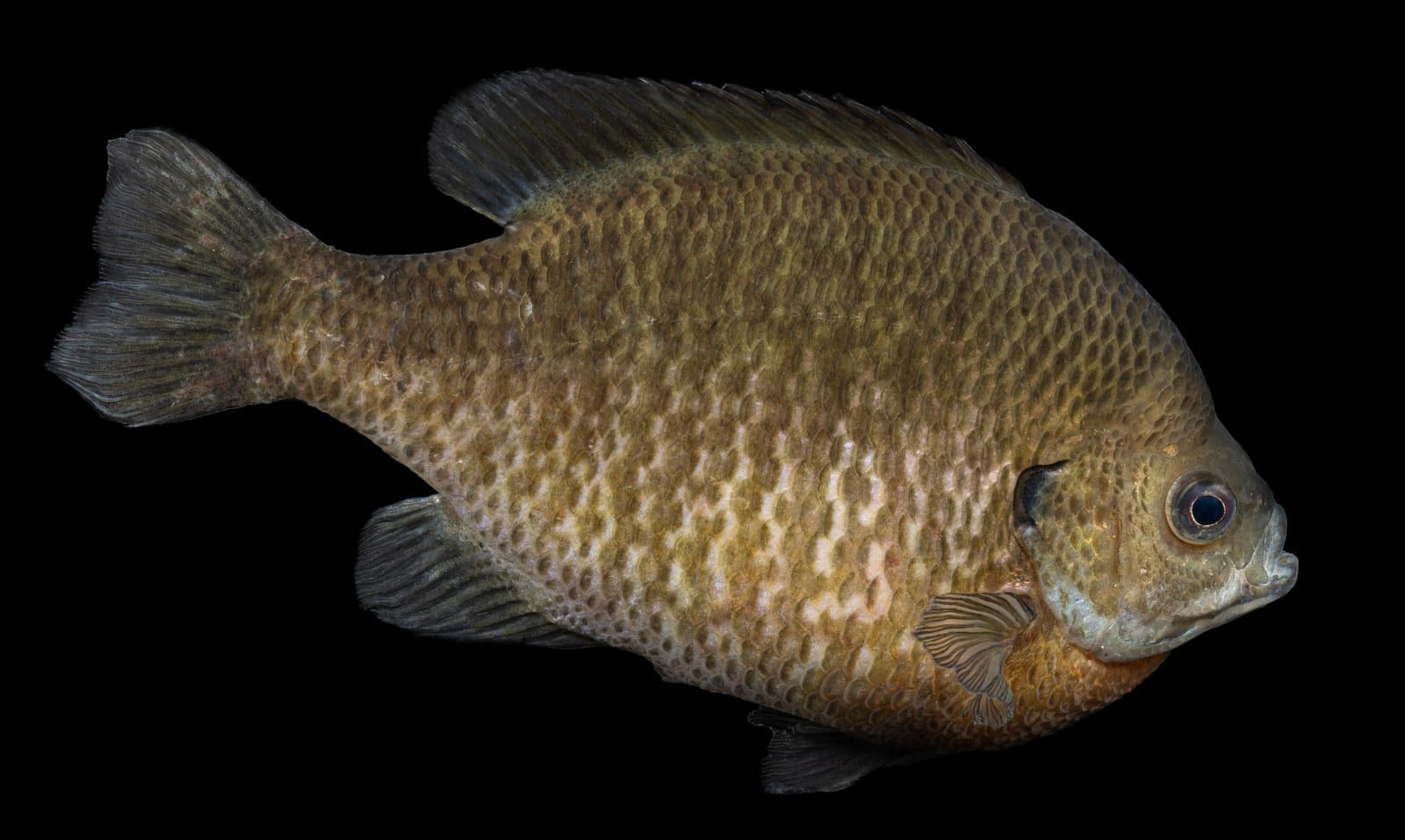
Bluegill

Lepomis macrochirus — Centrarchidae

Native

Description & ID
deep, laterally compressed sunfish with a small mouth, a solid black opercular flap ("ear"), and often a dark blotch at the rear of the soft dorsal fin; breeding males show orange breasts and blue-purple cheeks.
Habitat
ponds, lakes, and slow streams with vegetation.
County status
present and common; 18 research-grade iNaturalist records [S1].
Conservation status
native/widely stocked; a popular panfish [S6]. (confirm against PNHP)
Notes
nests colonially; eats insects and zooplankton. Hybridizes readily with other Lepomis (see hybrids below).

More on Wikipedia →

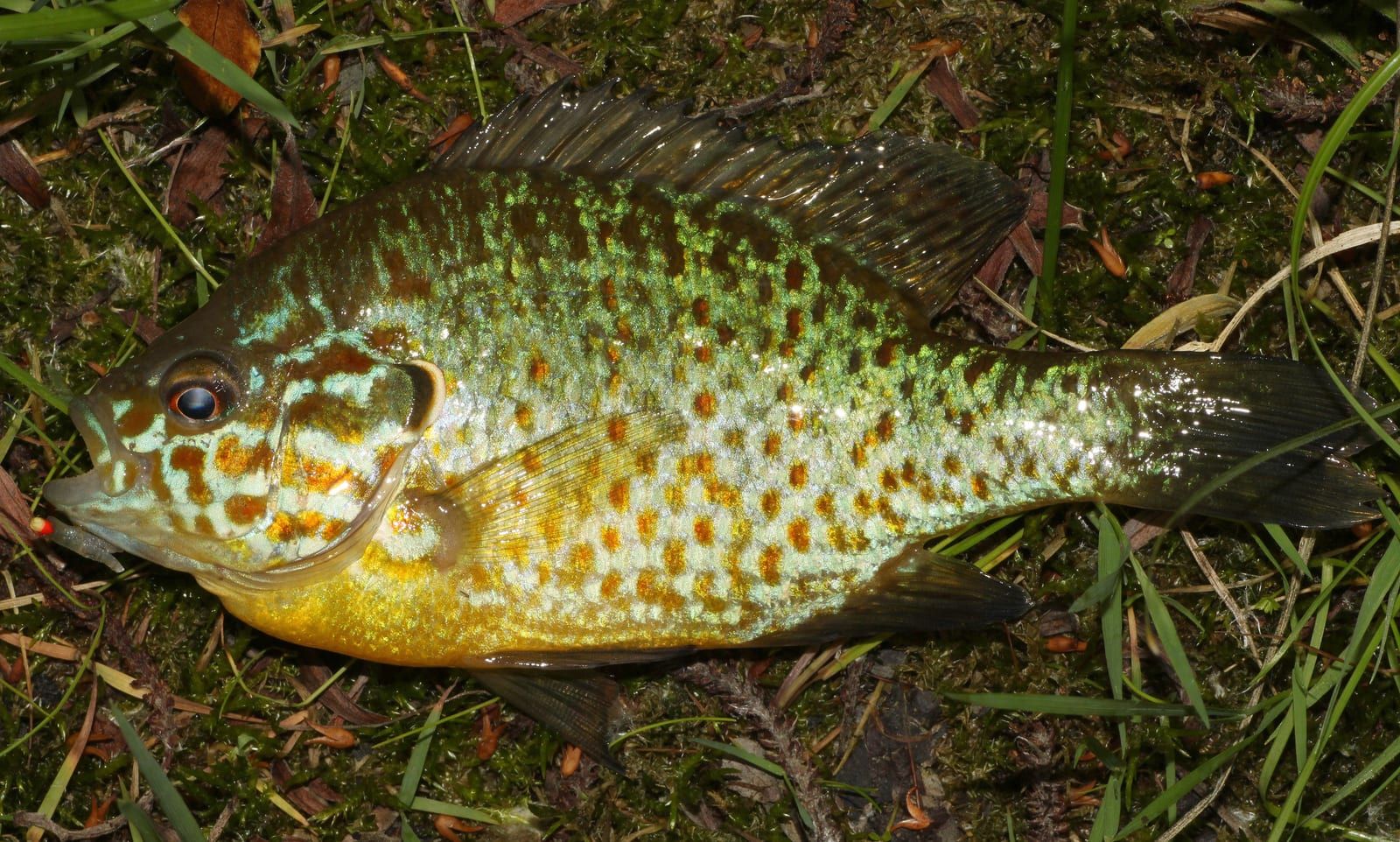
Pumpkinseed

Lepomis gibbosus — Centrarchidae

Native

Description & ID
colorful sunfish with wavy blue-green lines on the cheek and a bright red-orange spot on the rear edge of the black opercular flap.
Habitat
vegetated ponds, lakes, and quiet stream margins.
County status
present; 9 research-grade iNaturalist records [S1].
Conservation status
native; common panfish [S6]. (confirm against PNHP)
Notes
specialized snail-eater with molar-like throat teeth; nests in colonies. Frequently hybridizes with bluegill.

More on Wikipedia →

Green Sunfish

Lepomis cyanellus — Centrarchidae

Native

Description & ID
elongated, large-mouthed sunfish, olive-green with blue-green flecks and a black opercular flap edged in pale orange/white; more bass-like in body shape than other sunfish.
Habitat
tolerant of marginal, warm, or disturbed waters — ponds, ditches, sluggish streams.
County status
present; 9 research-grade iNaturalist records [S1].
Conservation status
native to the region but hardy and weedy; tolerant of poor conditions [S6]. (confirm against PNHP)
Notes
aggressive and adaptable; hybridizes readily with bluegill.

More on Wikipedia →

Redbreast Sunfish

Lepomis auritus — Centrarchidae

Native

Description & ID
sunfish with a long, narrow, all-black opercular flap and a bright orange-red breast in breeding males; wavy blue lines on the face.
Habitat
flowing water — streams and rivers with rocky or sandy bottoms; more riverine than most sunfish.
County status
present; 2 research-grade iNaturalist records [S1].
Conservation status
native to Atlantic-slope drainages [S6]. (confirm against PNHP)
Notes
a characteristic sunfish of moving water; eats insects and small invertebrates.

More on Wikipedia →

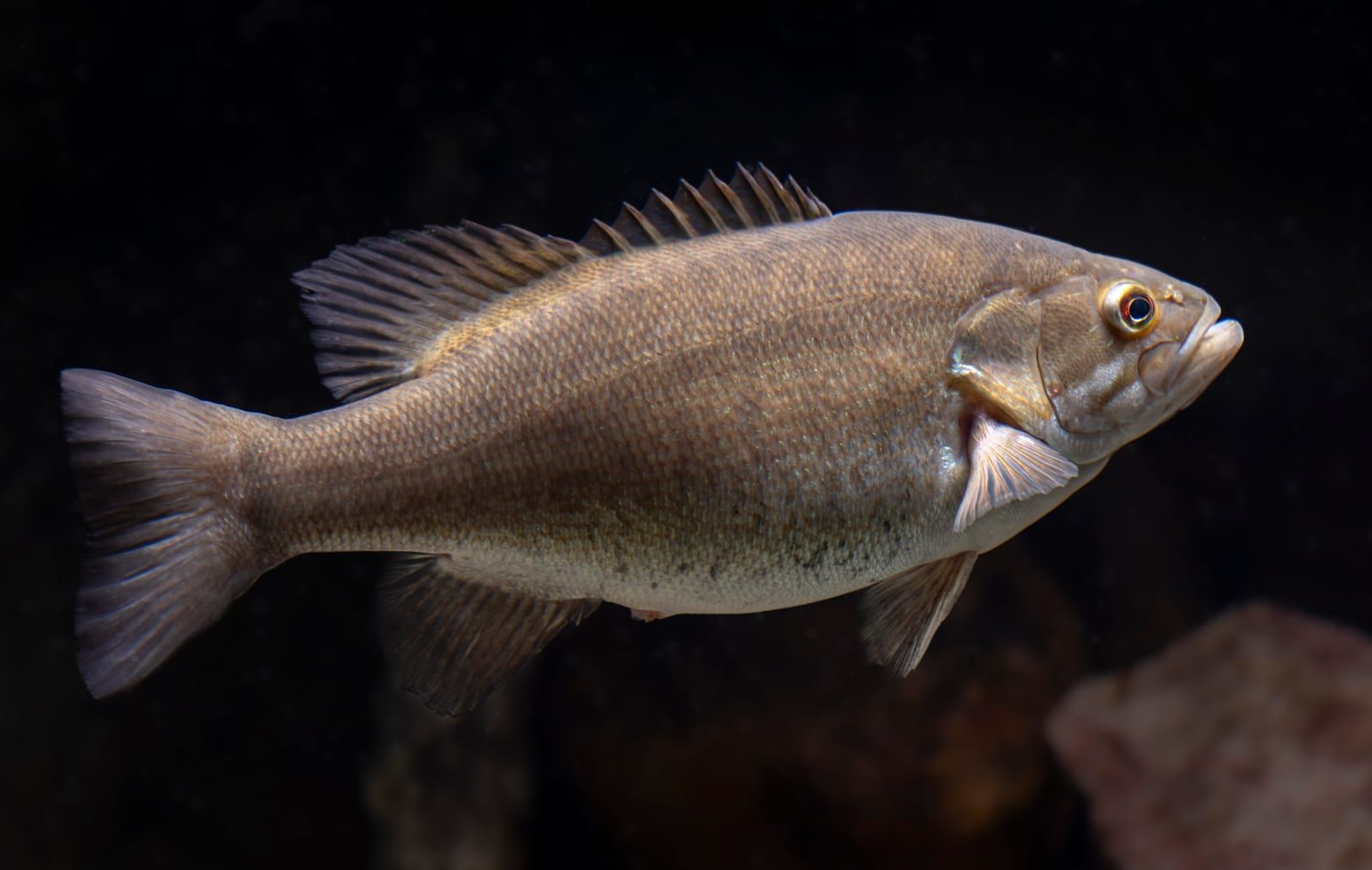
Smallmouth Bass

Micropterus dolomieu — Centrarchidae

Native

Description & ID
bronze to brownish bass with vertical bars or blotches, red eyes, and a jaw that does not extend past the eye (vs. largemouth).
Habitat
cool, clear, rocky streams, rivers, and lakes; favors current and rocky structure.
County status
present; 3 research-grade iNaturalist records [S1].
Conservation status
native to the broader region and widely established/stocked; prized stream gamefish [S6]. (confirm against PNHP)
Notes
strong fighter; eats crayfish and fish. An indicator of cooler, cleaner flowing water than the largemouth.

More on Wikipedia →

Black Crappie

Pomoxis nigromaculatus — Centrarchidae

Native

Description & ID
deep-bodied, silvery panfish speckled with irregular dark blotches; seven to eight dorsal spines.
Habitat
lakes, ponds, and slow river backwaters with submerged cover.
County status
present; 6 research-grade iNaturalist records [S1].
Conservation status
native/stocked; popular panfish [S6]. (confirm against PNHP)
Notes
schooling, often suspends near structure; eats small fish and invertebrates.

More on Wikipedia →

White Crappie

Pomoxis annularis — Centrarchidae

Native

Description & ID
similar to black crappie but more silvery with dark vertical bars rather than scattered speckles, and only five to six dorsal spines.
Habitat
lakes and slower, more turbid waters than black crappie tolerates.
County status
present; 1 research-grade iNaturalist record [S1] — uncommon in county records.
Conservation status
native/stocked panfish [S6]. (confirm against PNHP)
Notes
more tolerant of turbidity than the black crappie; the two can co-occur.

More on Wikipedia →

Greengill Sunfish (hybrid)

Lepomis macrochirus × cyanellus — Centrarchidae

Native

Description & ID
a bluegill × green sunfish hybrid showing intermediate features — a larger mouth than a pure bluegill and mixed coloration.
County status
1 research-grade iNaturalist record [S1].
Conservation status
native-parentage hybrid; sunfish hybridize commonly where they co-occur. (confirm against PNHP)
Notes
recorded for completeness; hybrid sunfish are frequent and often vigorous, sometimes confusing field identification.

More on Wikipedia →

Pumpkinseed × Bluegill (hybrid)

Lepomis gibbosus × macrochirus — Centrarchidae

Native

Description & ID
a pumpkinseed × bluegill hybrid; intermediate in opercular-flap color and body markings between the two parents.
County status
1 research-grade iNaturalist record [S1].
Conservation status
native-parentage hybrid. (confirm against PNHP)
Notes
recorded for completeness; another example of the frequent natural hybridization within Lepomis.

More on Wikipedia →

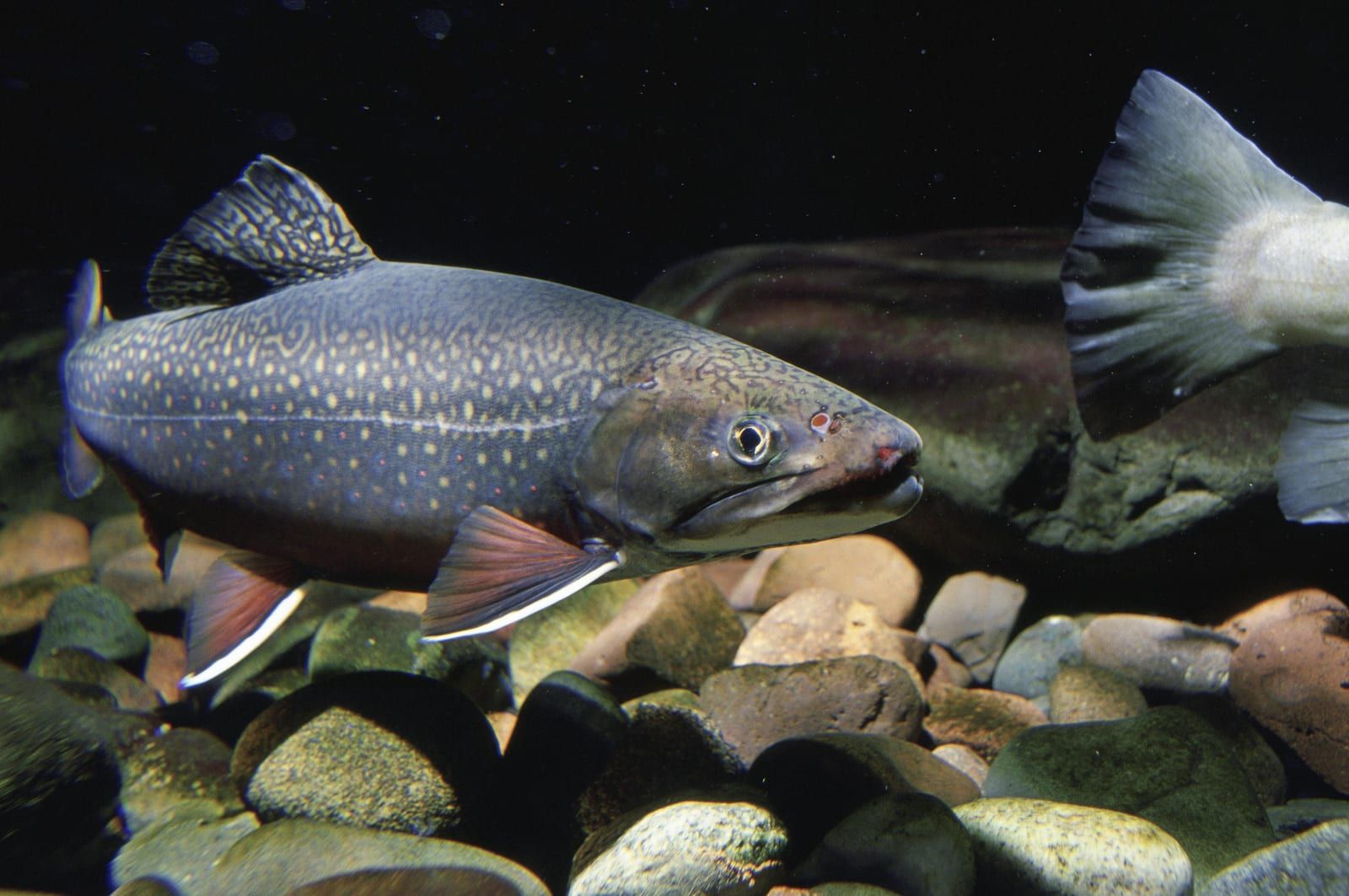
Brook Trout

Salvelinus fontinalis — Salmonidae

Native

Also known as
brookie, speckled trout. Pennsylvania's state fish.
Description & ID
a char, not a true trout — dark olive back with pale, worm-like (vermiculate) markings, red spots ringed with blue halos, and white-edged lower fins.
Habitat
cold, clean, well-oxygenated headwater streams and spring-fed brooks; intolerant of warming, siltation, and pollution.
County status
present; 23 research-grade iNaturalist records [S1] — the only trout native to the county's waters.
Conservation status
native; secure statewide but locally sensitive. Wild brook trout populations are a high conservation priority in PA and a key indicator of pristine coldwater habitat [S6]. Acid mine drainage and warming threaten county populations. (confirm against PNHP)
Notes
wild "natives" persist in the coldest forested headwaters; eats insects and small fish. The presence of self-sustaining brook trout signals exceptional water quality.

More on Wikipedia →

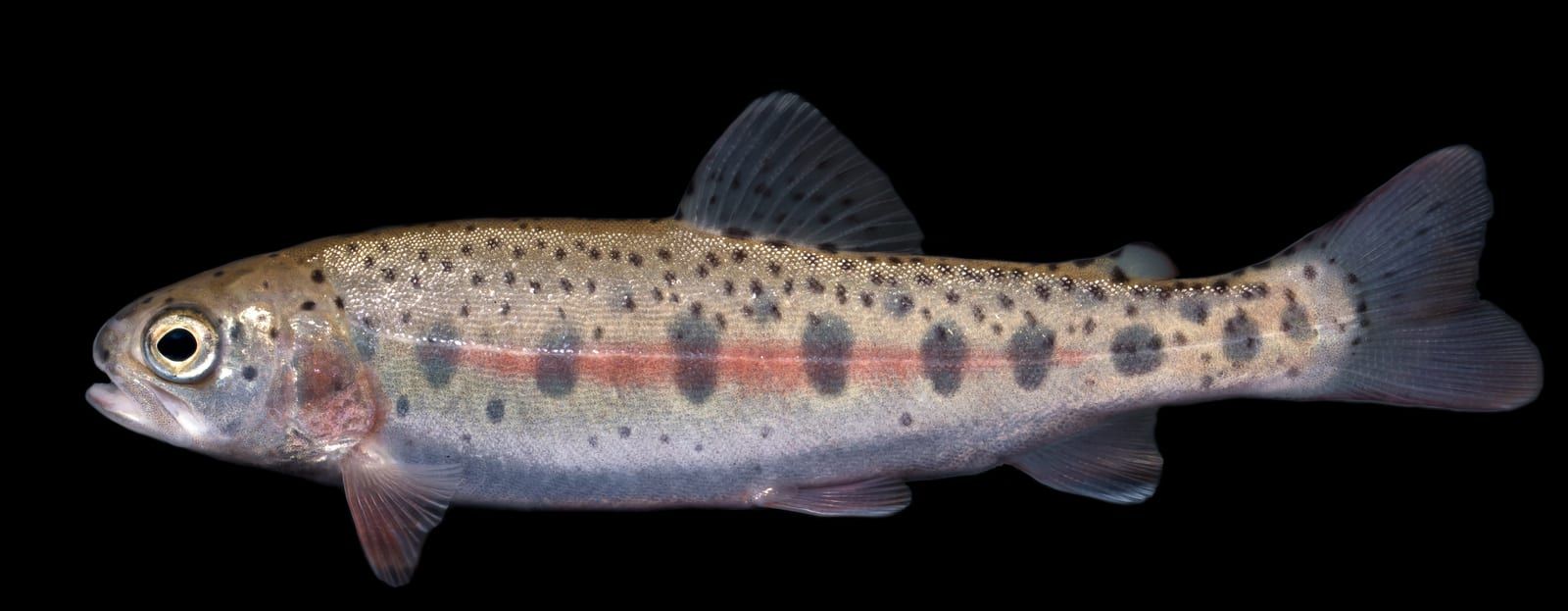
Rainbow Trout

Oncorhynchus mykiss — Salmonidae

Introduced

Description & ID
silvery trout with a broad pink-red lateral stripe, small black spots over the body and tail, and a white mouth.
Habitat
cool streams, rivers, and lakes; stocked into many county waters for put-and-take fisheries.
County status
present; 12 research-grade iNaturalist records [S1]. Introduced to the county (native to western North America) [S1]; maintained largely by PFBC stocking [S6].
Conservation status
non-native; stocked gamefish. Rarely reproduces naturally in PA. (confirm against PNHP)
Notes
a popular stocked sportfish; most county records reflect put-and-take stocking rather than wild reproduction.

More on Wikipedia →

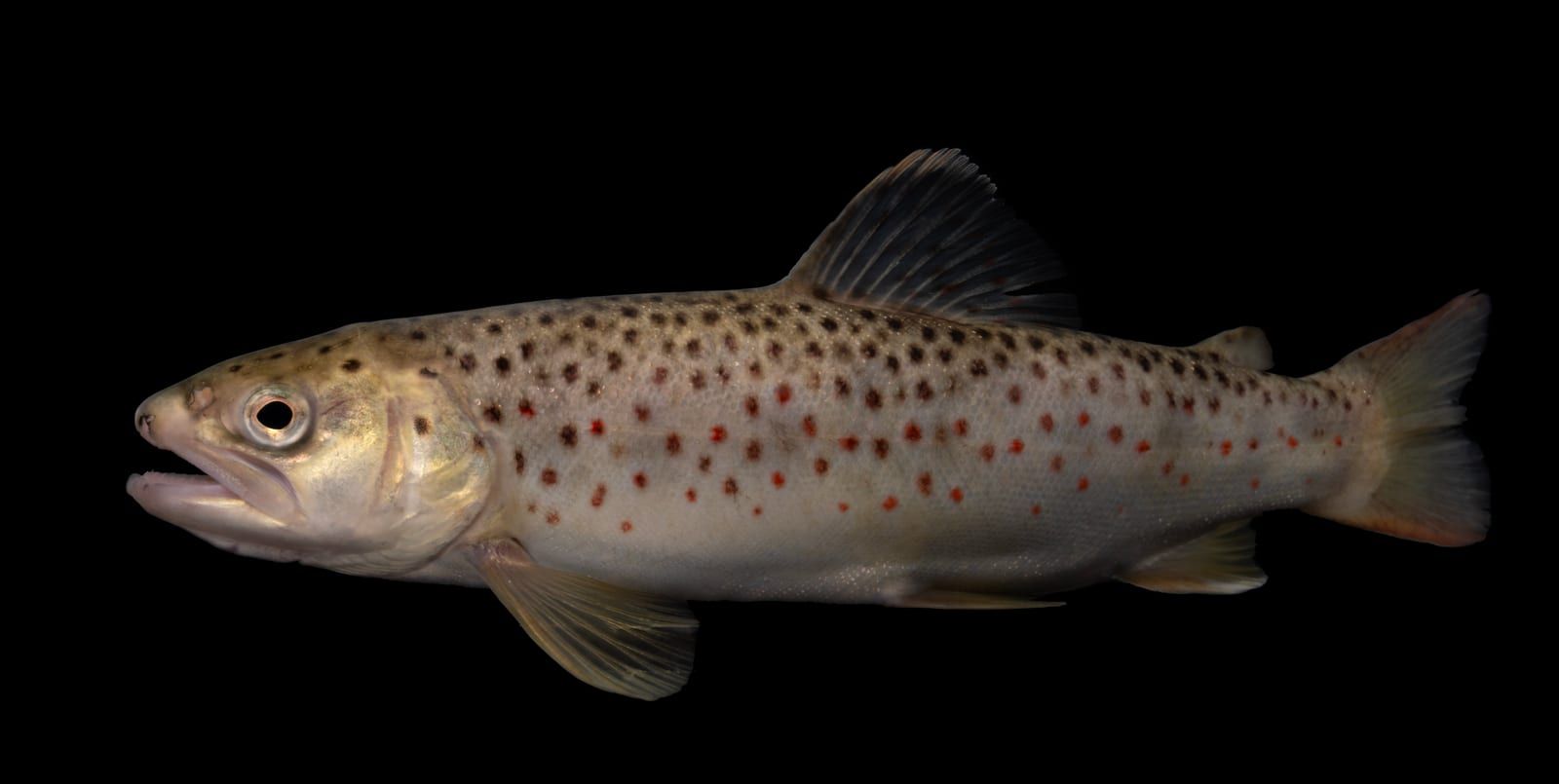
Brown Trout

Salmo trutta — Salmonidae

Introduced

Description & ID
golden-brown trout with black and red/orange spots, the red spots often ringed with pale halos; square-ish tail with few or no spots.
Habitat
cool to moderately cool streams and rivers; more tolerant of warmer, slightly degraded water than brook trout.
County status
present; 6 research-grade iNaturalist records [S1]. Introduced to the county (native to Europe) [S1]; both stocked and, in some streams, naturally reproducing [S6].
Conservation status
non-native; established gamefish. Can outcompete and prey on native brook trout. (confirm against PNHP)
Notes
wary and long-lived; supports significant wild trout fisheries in PA where habitat allows natural reproduction.

More on Wikipedia →

Eastern Blacknose Dace

Rhinichthys atratulus — Leuciscidae

Native

Description & ID
small, slender stream minnow with a dark lateral stripe through the snout and eye; breeding males develop orange on the stripe and fins.
Habitat
riffles and runs of small, clear, cool streams; abundant in headwaters.
County status
present and common; 21 research-grade iNaturalist records — among the most-recorded native fishes in the county [S1].
Conservation status
native; secure. A characteristic headwater minnow [S6]. (confirm against PNHP)
Notes
tolerant of small streams but sensitive to severe pollution; an important forage fish.

More on Wikipedia →

Creek Chub

Semotilus atromaculatus — Leuciscidae

Native

Description & ID
stout minnow with a large mouth, a dark spot at the front of the dorsal fin base, and a dark lateral stripe; breeding males develop tubercles on the head.
Habitat
small to mid-sized creeks; very tolerant and widespread.
County status
present and common; 18 research-grade iNaturalist records [S1].
Conservation status
native; secure [S6]. (confirm against PNHP)
Notes
males build gravel-mound nests in stream beds; one of the most abundant and adaptable stream minnows. Common bait fish.

More on Wikipedia →

Fallfish

Semotilus corporalis — Leuciscidae

Native

Description & ID
the largest native minnow in the northeast (to ~40 cm), silvery with large scales; breeding males show rosy tones and head tubercles.
Habitat
clear, cool streams and rivers with pools and runs.
County status
present; 18 research-grade iNaturalist records [S1].
Conservation status
native; secure [S6]. (confirm against PNHP)
Notes
builds large gravel nest mounds, sometimes a meter across; a scrappy catch on light tackle.

More on Wikipedia →

Common Shiner

Luxilus cornutus — Leuciscidae

Native

Description & ID
deep-bodied silvery shiner with large eyes; breeding males develop blue-pink iridescence and head tubercles.
Habitat
clear, cool to warm streams and small rivers with gravel runs and pools.
County status
present; 11 research-grade iNaturalist records [S1].
Conservation status
native; secure [S6]. (confirm against PNHP)
Notes
a widespread, schooling forage minnow; common bait species.

More on Wikipedia →

Cutlip Minnow

Exoglossum maxillingua — Leuciscidae

Native

Description & ID
stout minnow with a distinctive three-lobed lower jaw (the central "cutlip" bordered by fleshy side lobes); olive-brown.
Habitat
clear, gravelly streams and rivers of the Atlantic slope; favors moderate current.
County status
present; 5 research-grade iNaturalist records [S1].
Conservation status
native; an Atlantic-slope species indicative of decent stream quality [S6]. (confirm against PNHP)
Notes
males build pebble-nest mounds; the unusual jaw is used to pry snails and insects from rocks and to nip the eyes of competing fish.

More on Wikipedia →

European Carp

Cyprinus carpio — Cyprinidae

Introduced

Also known as
common carp.
Description & ID
large, heavy-bodied golden-brown fish with two barbels on each side of the mouth and large scales; a long dorsal fin.
Habitat
warm, slow rivers, ponds, and lake margins; tolerant of turbid and degraded water.
County status
present; 3 research-grade iNaturalist records [S1]. Introduced to the county (native to Eurasia) [S1].
Conservation status
non-native; long-established. Its bottom-rooting feeding can increase turbidity and disturb aquatic vegetation. (confirm against PNHP)
Notes
introduced to North America in the 19th century; long-lived and hardy.

More on Wikipedia →

Spotfin Shiner

Cyprinella spiloptera — Leuciscidae

Native

Description & ID
slender, silvery shiner with a dark spot on the rear of the dorsal fin; faint diamond-shaped scale pattern; breeding males show yellowish fins.
Habitat
moderate to large streams and rivers with current; tolerant of some turbidity.
County status
present; 2 research-grade iNaturalist records [S1].
Conservation status
native; secure [S6]. (confirm against PNHP)
Notes
males make a knocking sound during spawning; deposits eggs in crevices.

More on Wikipedia →

Golden Shiner

Notemigonus crysoleucas — Leuciscidae

Native

Description & ID
deep-bodied, golden-bronze shiner with a strongly down-curved lateral line and a fleshy scaleless keel along the belly.
Habitat
quiet, vegetated ponds, lakes, and slow streams.
County status
present; 1 research-grade iNaturalist record [S1].
Conservation status
native; secure [S6]. (confirm against PNHP)
Notes
a common pond minnow and widely used bait fish; schools in open, weedy water.

More on Wikipedia →

River Chub

Nocomis micropogon — Leuciscidae

Native

Description & ID
stout, bronze minnow with a small barbel at the corner of the mouth; breeding males develop a swollen, tubercle-studded head (a "horny head").
Habitat
clear, gravelly streams and rivers with moderate current.
County status
present; 1 research-grade iNaturalist record [S1].
Conservation status
native; indicative of good stream quality [S6]. (confirm against PNHP)
Notes
builds large gravel-mound nests that many other minnows use for spawning — an important "ecosystem engineer" of stream fish communities.

More on Wikipedia →

Longnose Dace

Rhinichthys cataractae — Leuciscidae

Native

Description & ID
slender, bottom-hugging minnow with a long, fleshy snout overhanging a subterminal mouth; olive with a dusky stripe.
Habitat
fast riffles and rocky runs of cool, clean streams; a strong-current specialist.
County status
present; 1 research-grade iNaturalist record [S1].
Conservation status
native; an indicator of well-oxygenated, high-quality riffle habitat [S6]. (confirm against PNHP)
Notes
lives among rocks in swift water; feeds on insect larvae. Among the most current-adapted North American minnows.

More on Wikipedia →

White Sucker

Catostomus commersonii — Catostomidae

Native

Description & ID
elongate, round-bodied fish with a fleshy, downturned (ventral) sucker mouth; olive-brown above, fading to white below.
Habitat
a wide range of streams, rivers, and lakes; very tolerant and widespread.
County status
present; 9 research-grade iNaturalist records [S1].
Conservation status
native; secure [S6]. (confirm against PNHP)
Notes
bottom feeder that vacuums invertebrates and detritus; spawns in spring riffles in large aggregations. An important forage species for bass and other predators.

More on Wikipedia →

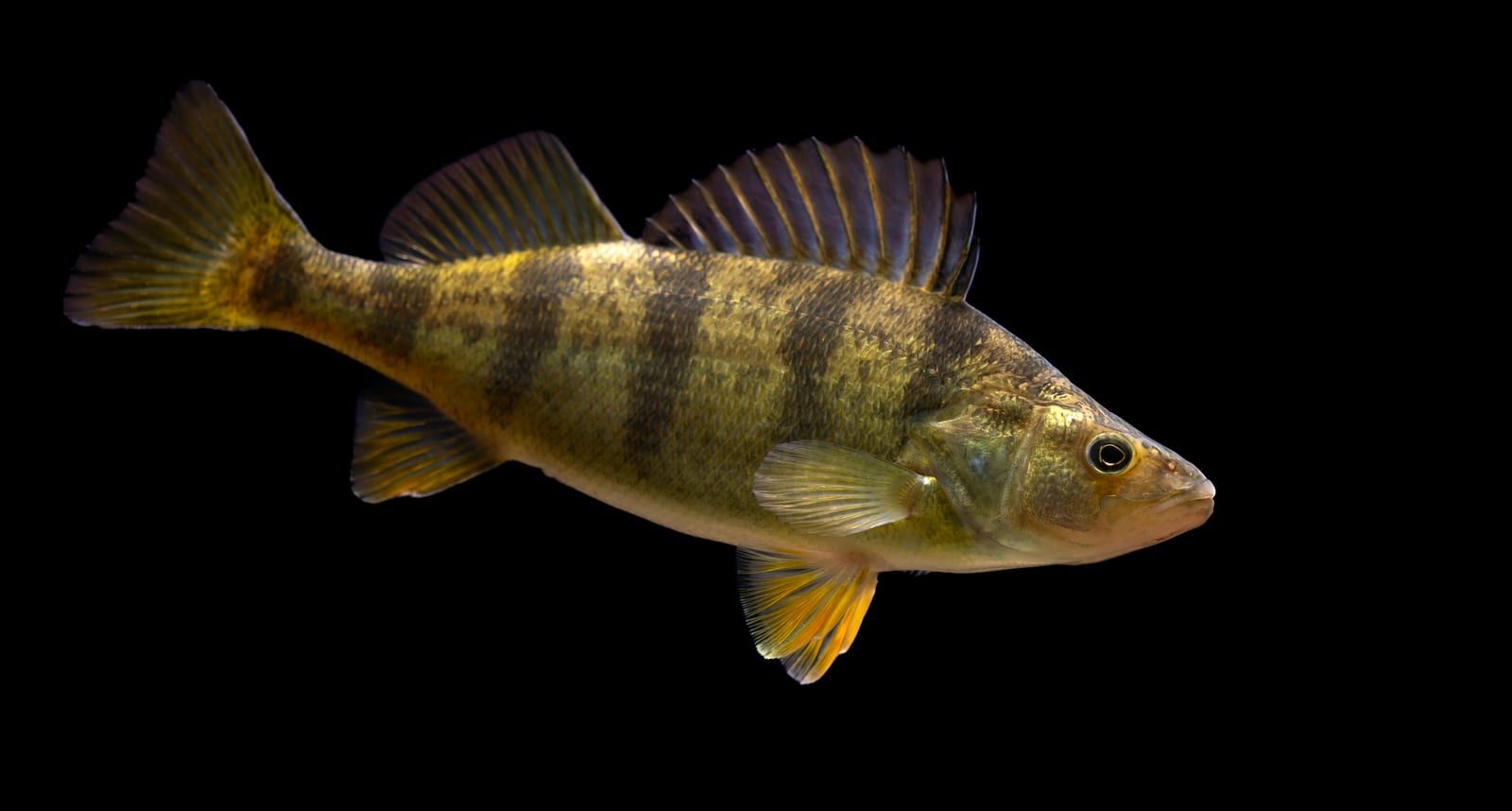
Yellow Perch

Perca flavescens — Percidae

Native

Description & ID
yellow-green perch with six to eight dark vertical bars and orange lower fins; two separate dorsal fins.
Habitat
lakes, ponds, and slow rivers; schools in open water near cover.
County status
present; 12 research-grade iNaturalist records [S1].
Conservation status
native; popular panfish [S6]. (confirm against PNHP)
Notes
schooling daytime predator of invertebrates and small fish; a prized table fish.

More on Wikipedia →

Northern Tessellated Darter

Etheostoma olmstedi — Percidae

Native

Description & ID
small, slender, bottom-dwelling darter, tan with a series of dark X- and W-shaped markings along the side; perches on the bottom propped on its pectoral fins.
Habitat
sandy and gravelly runs and pools of clear streams and small rivers.
County status
present; 9 research-grade iNaturalist records [S1].
Conservation status
native; secure [S6]. Darters generally require clean, well-oxygenated water, making them useful stream-quality indicators. (confirm against PNHP)
Notes
lacks a swim bladder and "darts" along the bottom; males guard eggs laid under stones.

More on Wikipedia →

Brown Bullhead

Ameiurus nebulosus — Ictaluridae

Native

Description & ID
smooth-skinned catfish, mottled brown to olive, with eight chin and snout barbels and sawtooth serrations on the pectoral spines; squarish tail.
Habitat
ponds, lakes, and slow, soft-bottomed streams; tolerant of warm, low-oxygen, and turbid water.
County status
present; 5 research-grade iNaturalist records [S1].
Conservation status
native; secure [S6]. (confirm against PNHP)
Notes
nocturnal bottom feeder using its barbels to find food; parents guard young in dense schools. Tolerant of degraded conditions.

More on Wikipedia →

Yellow Bullhead

Ameiurus natalis — Ictaluridae

Native

Description & ID
similar to the brown bullhead but with whitish/yellow chin barbels (not dark) and a more uniform yellow-brown body.
Habitat
quiet, vegetated ponds, pools, and slow streams; tolerant of poor water quality.
County status
present; 1 research-grade iNaturalist record [S1].
Conservation status
native; secure [S6]. (confirm against PNHP)
Notes
nocturnal omnivore; the pale chin barbels are the key separation from the brown bullhead.

More on Wikipedia →

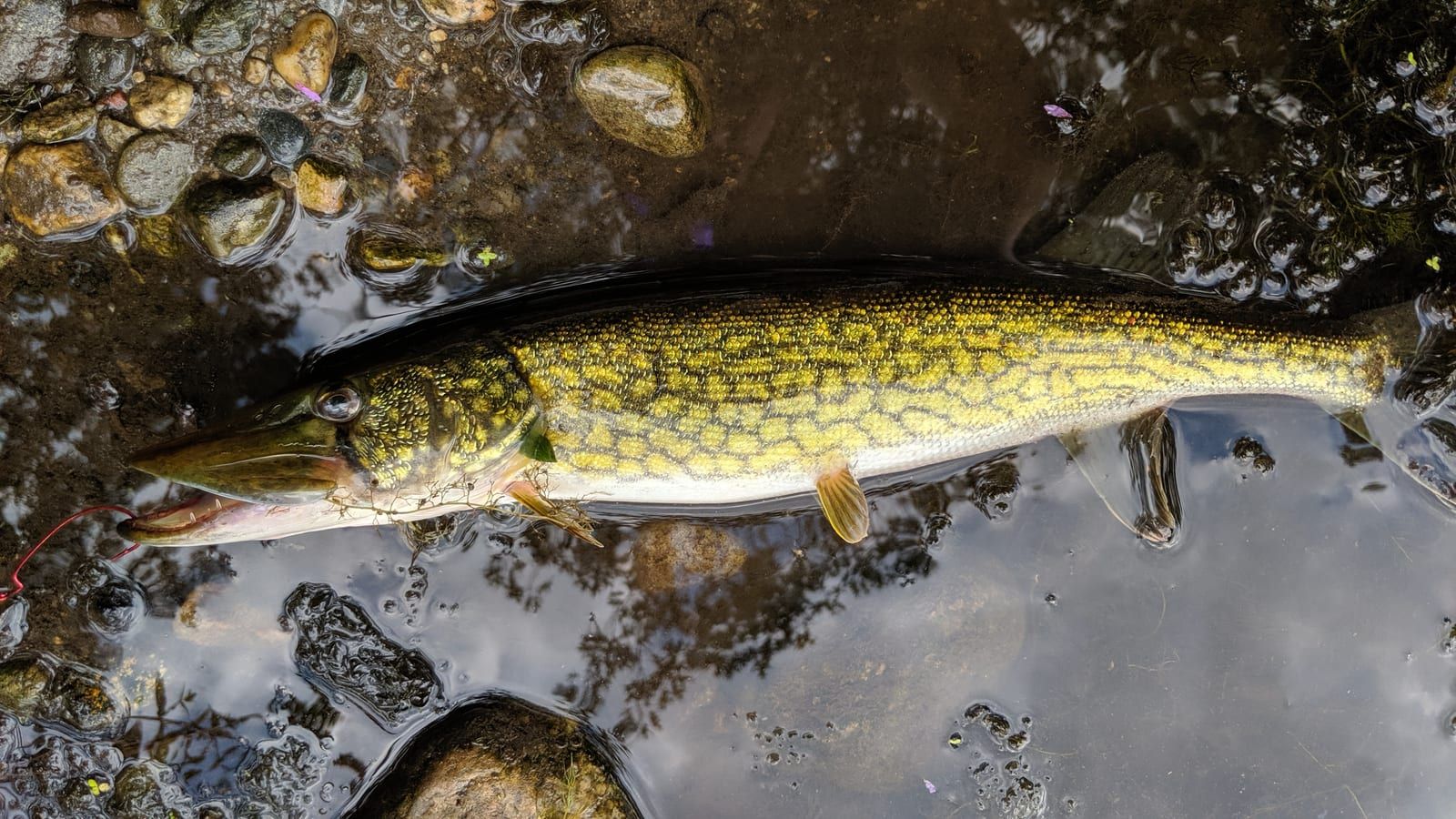
Chain Pickerel

Esox niger — Esocidae

Native

Description & ID
slender, elongate predator with a duck-bill snout and a distinctive dark chain-link pattern on a green-gold body.
Habitat
weedy ponds, lakes, and slow streams; ambushes prey from vegetation.
County status
present; 2 research-grade iNaturalist records [S1].
Conservation status
native; gamefish [S6]. (confirm against PNHP)
Notes
lie-in-wait predator of fish and frogs; sharp teeth and explosive strikes.

More on Wikipedia →

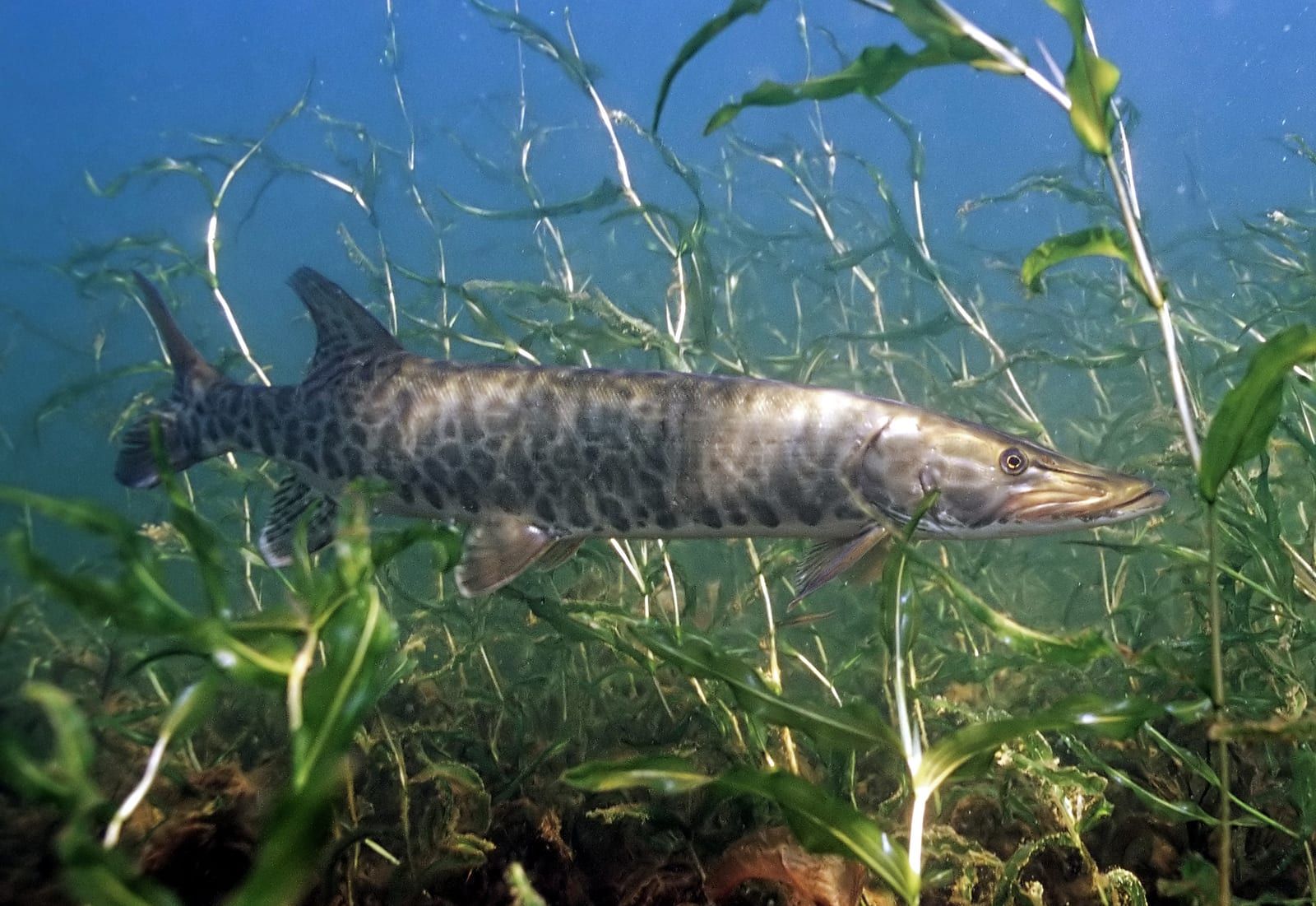
Muskellunge

Esox masquinongy — Esocidae

Native

Also known as
muskie.
Description & ID
very large pike, light with dark vertical bars or spots (variable); the largest member of the pike family.
Habitat
larger rivers, lakes, and reservoirs with cover.
County status
present; 1 research-grade iNaturalist record [S1] — uncommon, and PA muskellunge fisheries are largely maintained by stocking [S6].
Conservation status
native to the broader region; managed/stocked trophy gamefish [S6]. (confirm against PNHP)
Notes
apex predator of its waters; the marquee trophy fish in PA's pike management.

More on Wikipedia →

Banded Killifish

Fundulus diaphanus — Fundulidae

Native

Description & ID
small, slender, silvery fish with numerous narrow dark vertical bars along the side and an upturned mouth for surface feeding.
Habitat
shallow, quiet margins of ponds, lakes, and slow streams with vegetation.
County status
present; 2 research-grade iNaturalist records [S1].
Conservation status
native; secure [S6]. (confirm against PNHP)
Notes
schools near the surface in shallows; eats insects and small invertebrates. One of the few northeastern freshwater killifishes.

More on Wikipedia →

Slimy Sculpin

Cottus cognatus — Cottidae

Native

Description & ID
small, mottled, large-headed bottom fish with broad fan-like pectoral fins and a tapering body; lacks scales (slimy skin).
Habitat
cold, clean, rocky streams and spring runs — the same coldwater habitat as brook trout.
County status
present; 1 research-grade iNaturalist record [S1].
Conservation status
native; a strong indicator of cold, high-quality water [S6]. Sensitive to warming and siltation. (confirm against PNHP)
Notes
bottom-hugging ambush predator of invertebrates and fish eggs; an important food for trout. Its presence signals excellent coldwater stream health.

More on Wikipedia →

Complete checklist

Every taxon recorded research-grade for Schuylkill County as of 2026-06-18, by provenance tier. 32 are iNaturalist research-grade records.

32 iNaturalist county records
Common name Scientific name Records Status
Largemouth Bass Micropterus nigricans 33 Native
Brook Trout Salvelinus fontinalis 23 Native
Eastern Blacknose Dace Rhinichthys atratulus 21 Native
Bluegill Lepomis macrochirus 18 Native
Creek Chub Semotilus atromaculatus 18 Native
Fallfish Semotilus corporalis 18 Native
Rainbow Trout Oncorhynchus mykiss 12 Introduced
Yellow Perch Perca flavescens 12 Native
Common Shiner Luxilus cornutus 11 Native
White Sucker Catostomus commersonii 9 Native
Northern Tessellated Darter Etheostoma olmstedi 9 Native
Green Sunfish Lepomis cyanellus 9 Native
Pumpkinseed Lepomis gibbosus 9 Native
Black Crappie Pomoxis nigromaculatus 6 Native
Brown Trout Salmo trutta 6 Introduced
Brown Bullhead Ameiurus nebulosus 5 Native
Cutlip Minnow Exoglossum maxillingua 5 Native
European Carp Cyprinus carpio 3 Introduced
Smallmouth Bass Micropterus dolomieu 3 Native
Spotfin Shiner Cyprinella spiloptera 2 Native
Chain Pickerel Esox niger 2 Native
Banded Killifish Fundulus diaphanus 2 Native
Redbreast Sunfish Lepomis auritus 2 Native
Yellow Bullhead Ameiurus natalis 1 Native
Slimy Sculpin Cottus cognatus 1 Native
Muskellunge Esox masquinongy 1 Native
Pumpkinseed × Bluegill (hybrid) Lepomis gibbosus × macrochirus 1 Native
Greengill Sunfish (hybrid) Lepomis macrochirus × cyanellus 1 Native
River Chub Nocomis micropogon 1 Native
Golden Shiner Notemigonus crysoleucas 1 Native
White Crappie Pomoxis annularis 1 Native
Longnose Dace Rhinichthys cataractae 1 Native

Expected but not yet confirmed

These species plausibly occur in the county's habitats but lack a county-level record as of 2026-06-18. They are candidates, not county records — listed so the checklist's silence on them is not mistaken for confirmed absence, and excluded from the counts and the dataset above. Confirmation should cite a county-level record.

  • Rock Bass (Ambloplites rupestris) — a common stream/lake centrarchid expected in the region.
  • Bluntnose Minnow (Pimephales notatus) — typical of the Schuylkill and Susquehanna drainages.
  • Fathead Minnow (Pimephales promelas) — typical of the Schuylkill and Susquehanna drainages.
  • Spottail Shiner (Notropis hudsonius) — typical of the Schuylkill and Susquehanna drainages.
  • Rosyface Shiner (Notropis rubellus) — typical of the Schuylkill and Susquehanna drainages.
  • Fantail Darter (Etheostoma flabellare) — small percids of clean streams.
  • Shield Darter (Percina peltata) — small percids of clean streams.
  • Johnny Darter (Etheostoma nigrum) — small percids of clean streams.
  • Northern Hog Sucker (Hypentelium nigricans) — other suckers/redhorses (Moxostoma spp.) of clear, rocky rivers.
  • Channel Catfish (Ictalurus punctatus)
  • margined/eastern madtoms (Noturus)
  • American Eel (Anguilla rostrata) — a catadromous native whose upstream range in the Schuylkill (Delaware) drainage has been historically blocked and partly restored by dams; possible in lower county reaches.
  • Walleye (Sander vitreus) — stocked/managed gamefish possible in larger waters.
  • Northern Pike (Esox lucius) — stocked/managed gamefish possible in larger waters.
  • American Shad — and other migratory clupeids in the Schuylkill mainstem are limited by downstream dams.

Sources

← All wildlife