Schuylkill Hub Search

Outdoor Life · Plants, fungi & lichens

Trees & Shrubs of Schuylkill County

266 documented taxa of the woody plants — trees, shrubs, and woody vines recorded in Schuylkill County, Pennsylvania — by iNaturalist research-grade, herbarium / USDA specimen records as of 2026-06-18 — with detailed accounts of the most notable, signature, and introduced species.

How this list is sourced. County presence is anchored to records filtered to Schuylkill County — iNaturalist research-grade observations (place 1470), with herbarium-voucher and USDA PLANTS records shown as a separate, specimen-documented tier. Observation counts are an effort-biased signal of recording activity as of 2026-06-18, not a census. Biology and identification draw on state and museum authorities; per-species links go to Wikipedia for cross-reference only.

Conservation ranks here are relayed from NatureServe / iNaturalist and are not definitive Pennsylvania ranks — confirm against the Pennsylvania Natural Heritage Program (PNHP) before relying on them.

Detailed accounts

64 of the 266 documented taxa are profiled in detail below — the most-recorded, signature, introduced, and notable species. The complete checklist follows.

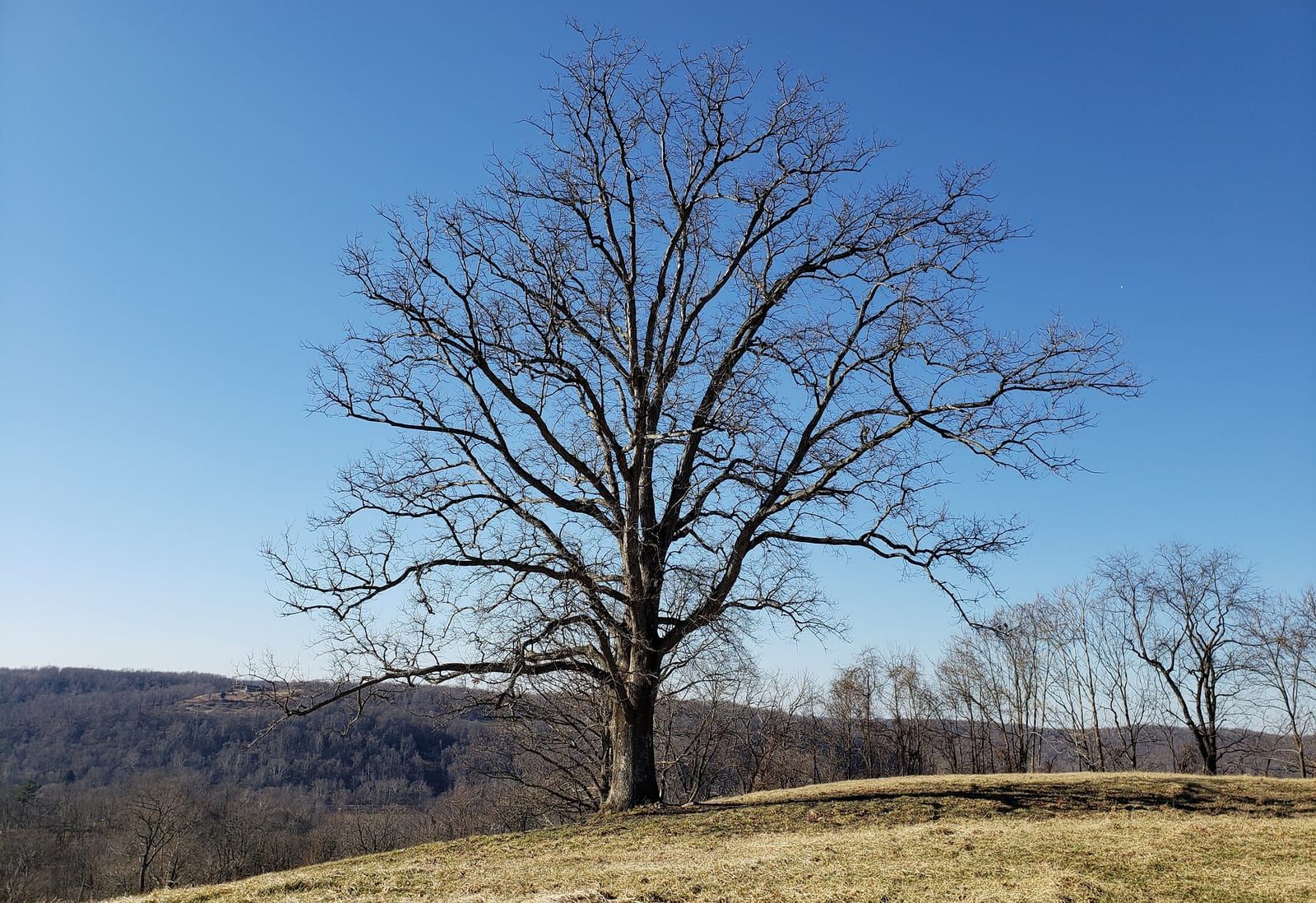
White Oak

Quercus alba — Fagaceae

Native

Description & ID
large, long-lived oak with light gray, scaly bark and deeply lobed leaves with rounded (bristleless) lobes; acorns mature in one year. The signature white-oak group species of the region.
Habitat
dry to mesic upland forests, ridges, and slopes; a dominant of oak–hickory forest.
County status
native and common; 31 research-grade iNaturalist records [S1].
Conservation status
native; secure. No special status. (confirm against PNHP)
Notes
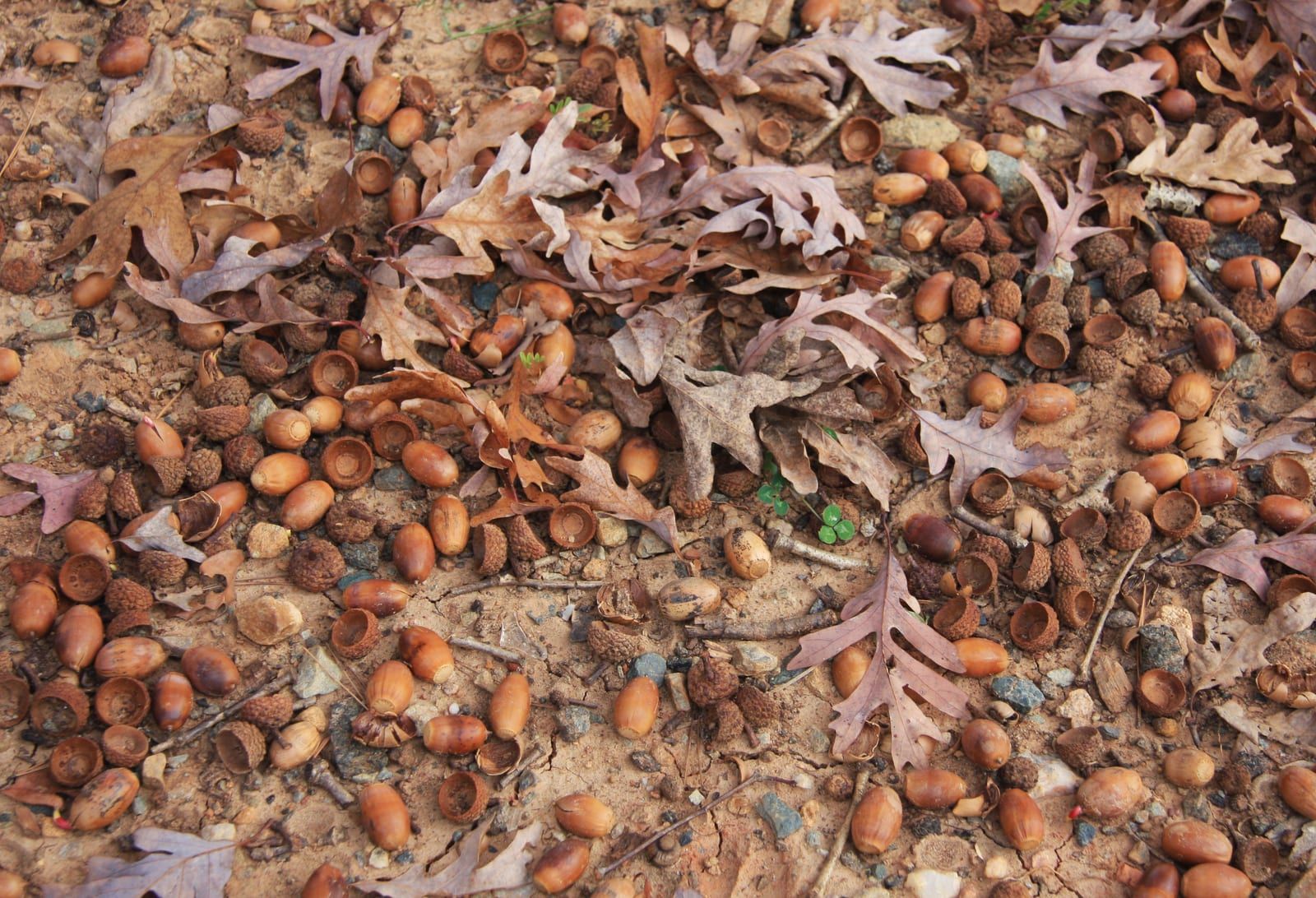
an ecological keystone — its acorns are a primary mast crop for deer, bear, turkey, squirrels, and jays. Slow-growing and valuable timber.

More on Wikipedia →

Chestnut Oak

Quercus montana — Fagaceae

Native

Description & ID
ridge-top white-oak relative with deeply furrowed, blocky dark bark and leaves having shallow, rounded, wavy teeth (not pointed lobes).
Habitat
dry, rocky ridges and acidic upland soils — the defining oak of the county's xeric ridge crests.
County status
native and common; 28 research-grade records [S1].
Conservation status
native; secure. (confirm against PNHP)
Notes
drought-tolerant; thick bark gives fire resistance. Tannin-rich bark was historically harvested for leather tanning.

More on Wikipedia →

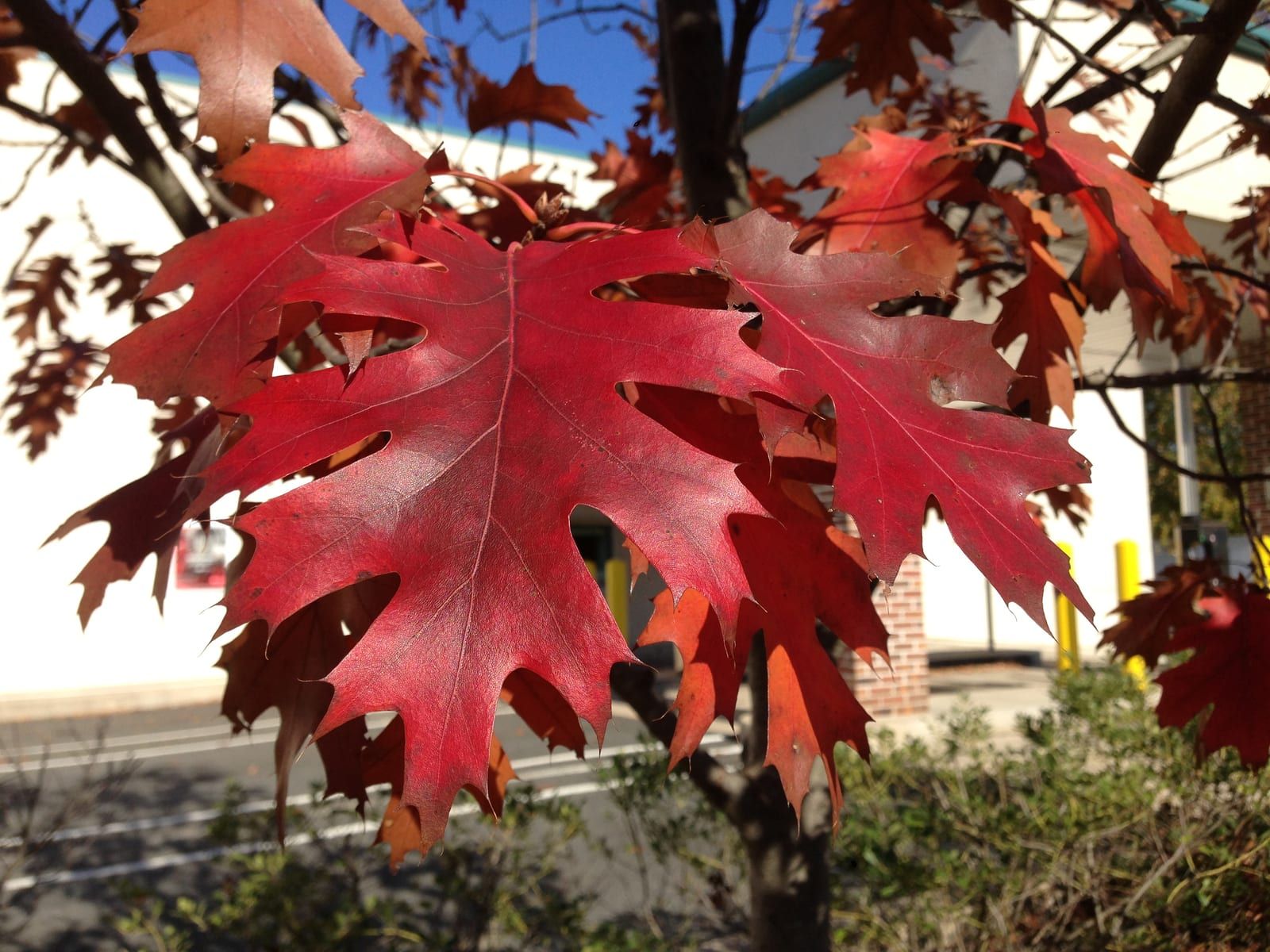
Northern Red Oak

Quercus rubra — Fagaceae

Native

Description & ID
large red-oak-group tree with pointed, bristle-tipped leaf lobes and smooth gray bark developing flat-topped "ski-trail" ridges; acorns take two years to mature.
Habitat
mesic upland and slope forests; one of the most important timber oaks of PA.
County status
native and common; 22 research-grade records [S1].
Conservation status
native; secure. (confirm against PNHP)
Notes
fast-growing for an oak; major mast and timber species.

More on Wikipedia →

Bear Oak (Scrub Oak)

Quercus ilicifolia — Fagaceae

Native

Description & ID
low, shrubby, thicket-forming oak with small, stiff, few-lobed leaves whitened beneath; rarely a true tree.
Habitat
dry, sterile, often fire-prone or anthracite-disturbed ridgetops and barrens — characteristic of the region's poorest soils.
County status
native; 14 research-grade records [S1] — a signature shrub-oak of the anthracite ridges.
Conservation status
native; secure. (confirm against PNHP)
Notes
forms dense scrub on burned-over and mine-disturbed land; important cover and mast in barrens habitat.

More on Wikipedia →

Black Oak

Quercus velutina — Fagaceae

Native

Description & ID
red-oak-group tree with dark, blocky bark and yellow-orange inner bark; glossy, variably lobed bristle-tipped leaves.
Habitat
dry upland forests and ridges, often with chestnut and scarlet oak.
County status
native; 8 research-grade records [S1].
Conservation status
native; secure. (confirm against PNHP)
Notes
inner bark yields a yellow dye (quercitron). Hybridizes with other red oaks.

More on Wikipedia →

American Chestnut

Castanea dentata — Fagaceae

Native

Description & ID
formerly a towering canopy dominant, now surviving mainly as root-sprouts; coarse-toothed, lance-shaped leaves and spiny burs.
Habitat
acidic upland forests; sprouts persist in the understory across the county's oak forests.
County status
native; 83 research-grade records [S1] — strikingly high, reflecting the many surviving sprouts that observers seek out.
Conservation status
native; functionally extirpated as a canopy tree by chestnut blight (Cryphonectria parasitica). Listed by IUCN as Critically Endangered globally [S1]. (confirm against PNHP)
Notes
once the dominant eastern hardwood; the blight (introduced ~1904) killed billions of trees. Sprouts rarely survive to flower before reinfection. Restoration breeding is ongoing.

More on Wikipedia →

Chinese Chestnut

Castanea mollissima — Fagaceae

Introduced

Description & ID
small to medium spreading tree; broader, blight-resistant relative of the American chestnut.
County status
introduced [S1]; 6 research-grade records [S1].
Conservation status
non-native; planted for nuts and blight resistance and used in restoration breeding. (confirm against PNHP)

More on Wikipedia →

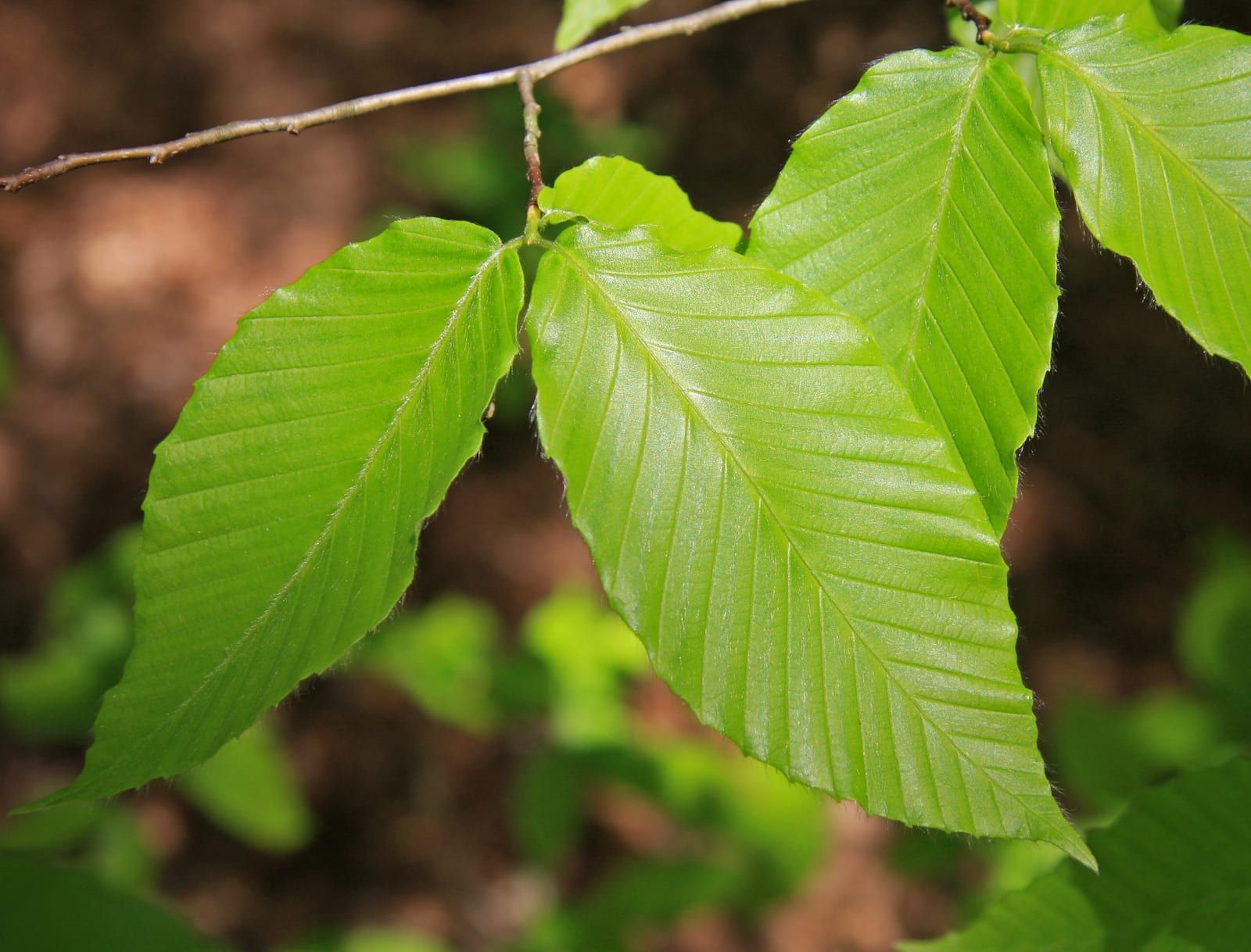
American Beech

Fagus grandifolia — Fagaceae

Native

Description & ID
smooth, gray "elephant-skin" bark, sharply toothed elliptical leaves that often persist tan through winter (marcescent), and small triangular nuts in spiny husks.
Habitat
mesic slopes and rich woods; a beech–maple and northern-hardwood associate.
County status
native and common; 20 research-grade records [S1].
Conservation status
native; threatened range-wide by beech bark disease and the newer beech leaf disease [S7]. (confirm against PNHP)
Notes
root-sprouts readily, forming thickets; beechnuts are valuable wildlife mast.

More on Wikipedia →

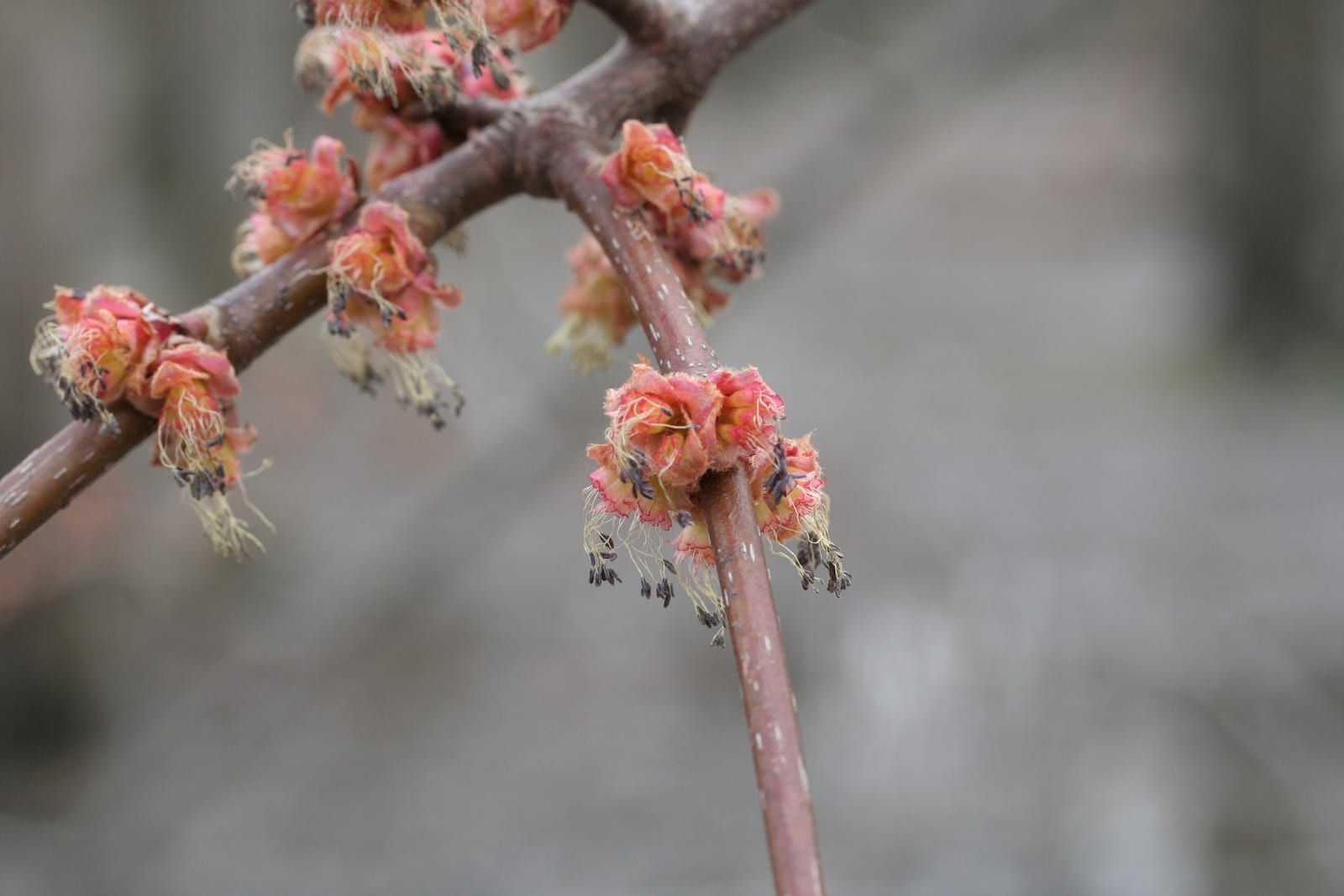
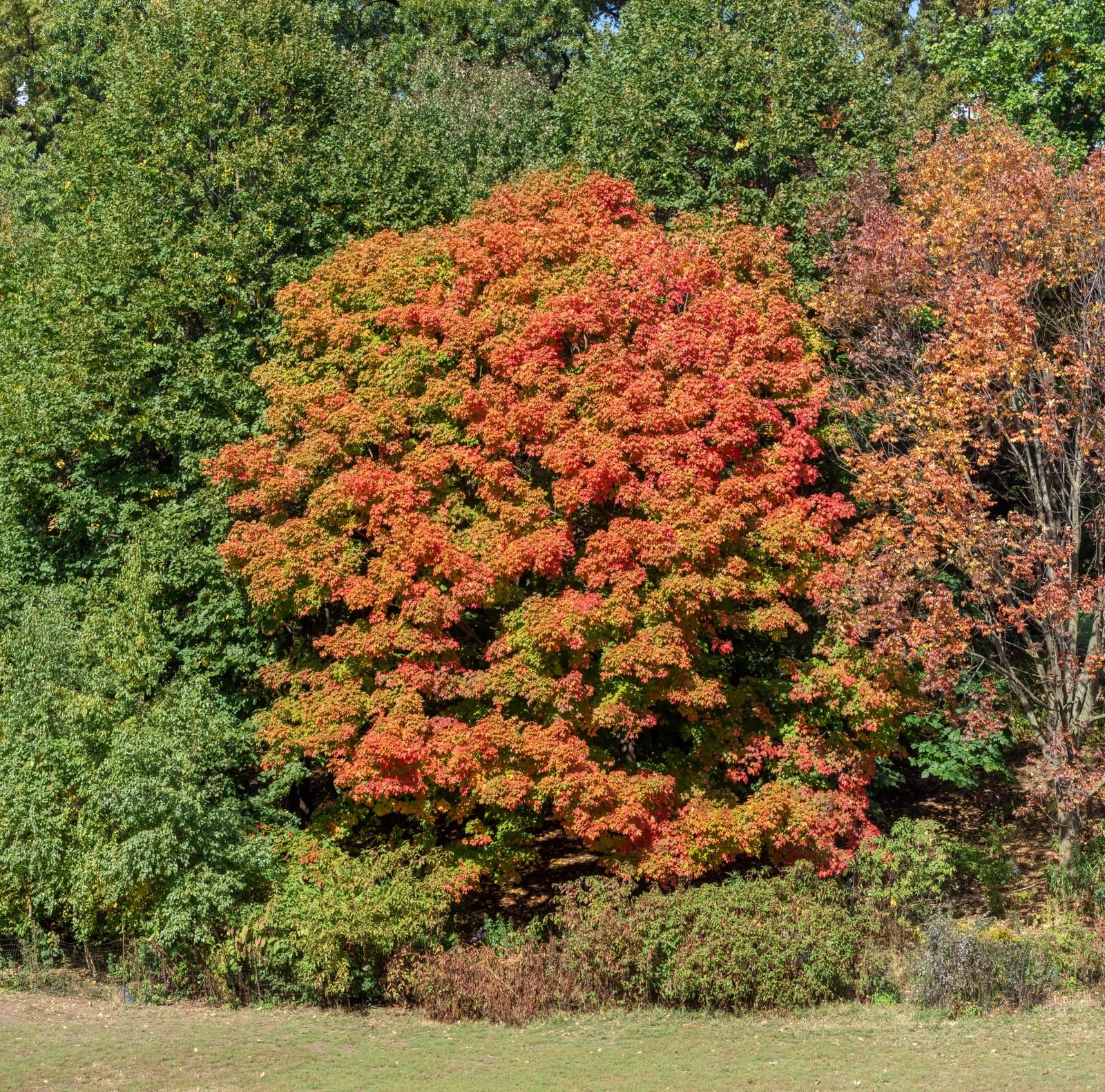
Red Maple

Acer rubrum — Sapindaceae

Native

Description & ID
highly variable medium tree; 3–5-lobed leaves with toothed margins and red petioles, red flowers in early spring, red samaras, and brilliant red-to-orange fall color.
Habitat
extraordinarily adaptable — swamps, dry ridges, disturbed ground; the most ubiquitous tree in eastern PA forests.
County status
native and abundant; 71 research-grade records [S1] — among the most-recorded trees in the county.
Conservation status
native; secure and increasing (a "supergeneralist" favored by fire suppression). (confirm against PNHP)
Notes
important early-spring nectar and seed source; tolerant of both wet and dry, acidic soils.

More on Wikipedia →

Sugar Maple

Acer saccharum — Sapindaceae

Native

Description & ID
five-lobed leaves with smooth-margined, pointed lobes (U-shaped sinuses); paired samaras; orange-red fall color. Source of maple syrup.
Habitat
rich, mesic slopes and northern-hardwood forests; less common on the county's dry acidic ridges.
County status
native; 5 research-grade records [S1] — local, favoring richer soils.
Conservation status
native; secure. (confirm against PNHP)
Notes
the premier sugaring tree; sensitive to acid deposition and drought.

More on Wikipedia →

Striped Maple

Acer pensylvanicum — Sapindaceae

Native

Also known as
moosewood, goosefoot maple.
Description & ID
small understory tree with green bark vertically striped white, and large three-lobed "goosefoot" leaves.
Habitat
cool, shaded, moist forest understories and ravines.
County status
native and common in shaded woods; 47 research-grade records [S1].
Conservation status
native; secure. (confirm against PNHP)
Notes
important browse for deer; an indicator of cool, mesic forest.

More on Wikipedia →

Silver Maple

Acer saccharinum — Sapindaceae

Native

Description & ID
fast-growing tree with deeply cut, silvery-backed five-lobed leaves; large early samaras; flaky gray bark.
Habitat
floodplains, streambanks, and wet bottomlands.
County status
native; 36 research-grade records [S1].
Conservation status
native; secure. Widely planted but weak-wooded. (confirm against PNHP)

More on Wikipedia →

Box Elder

Acer negundo — Sapindaceae

Native

Description & ID
atypical maple with compound (3–7 leaflet) leaves resembling poison ivy or ash; fast-growing and weedy.
Habitat
floodplains, disturbed ground, fencerows, and urban edges.
County status
native; 29 research-grade records [S1].
Conservation status
native; secure (weedy, sometimes considered a pest near structures). (confirm against PNHP)
Notes
the only North American maple with compound leaves; host to boxelder bugs.

More on Wikipedia →

Norway Maple

Acer platanoides — Sapindaceae

Invasive invasive

Description & ID
broad-crowned shade tree; five-lobed leaves resembling sugar maple but broader, with milky sap exuding from a broken petiole. Wide, paired samaras held nearly horizontal.
Habitat
planted as a street tree; escapes into woodlands where it forms dense shade.
County status
introduced and invasive [S1][S7]; 69 research-grade records [S1] — one of the most-recorded trees, reflecting heavy urban planting and escape.
Conservation status
non-native invasive. Shades out native seedlings and wildflowers; on PA invasive-plant lists [S7]. (confirm against PNHP)
Notes
distinguished from sugar maple by milky petiole sap. Heavily naturalized.

More on Wikipedia →

Horse-chestnut

Aesculus hippocastanum — Sapindaceae

Introduced

Description & ID
large ornamental tree with palmately compound leaves (5–7 leaflets), showy white flower "candles," and spiny capsules holding glossy brown "conkers."
County status
introduced [S1]; 2 research-grade records [S1].
Conservation status
non-native (planted); IUCN lists the wild Balkan populations as Vulnerable, but it is a common cultivated tree here. (confirm against PNHP)

More on Wikipedia →

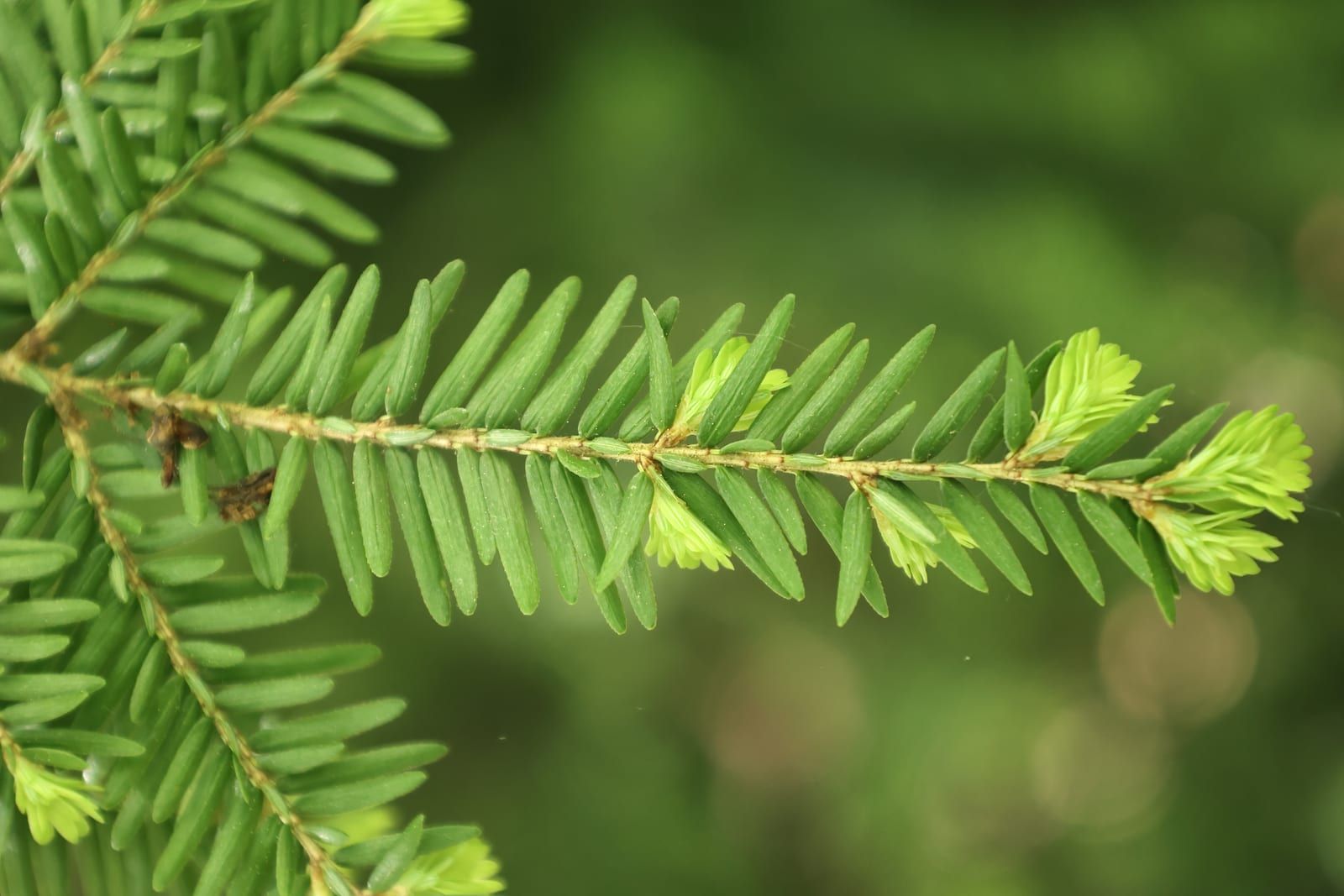
Eastern Hemlock

Tsuga canadensis — Pinaceae

Native

Description & ID
graceful evergreen with short, flat needles (two white bands beneath), tiny cones, and a nodding leader. Pennsylvania's state tree.
Habitat
cool, shaded ravines, north-facing slopes, and streamsides; a foundation species of hemlock ravines.
County status
native and common; 97 research-grade records [S1] — the second-most-recorded woody plant in the county.
Conservation status
native; threatened by the hemlock woolly adelgid (Adelges tsugae), an invasive insect causing widespread decline [S7]. IUCN Near Threatened [S1]. (confirm against PNHP)
Notes
deep shade and cool microclimate support distinctive understory and stream communities; loss of hemlock alters whole ecosystems.

More on Wikipedia →

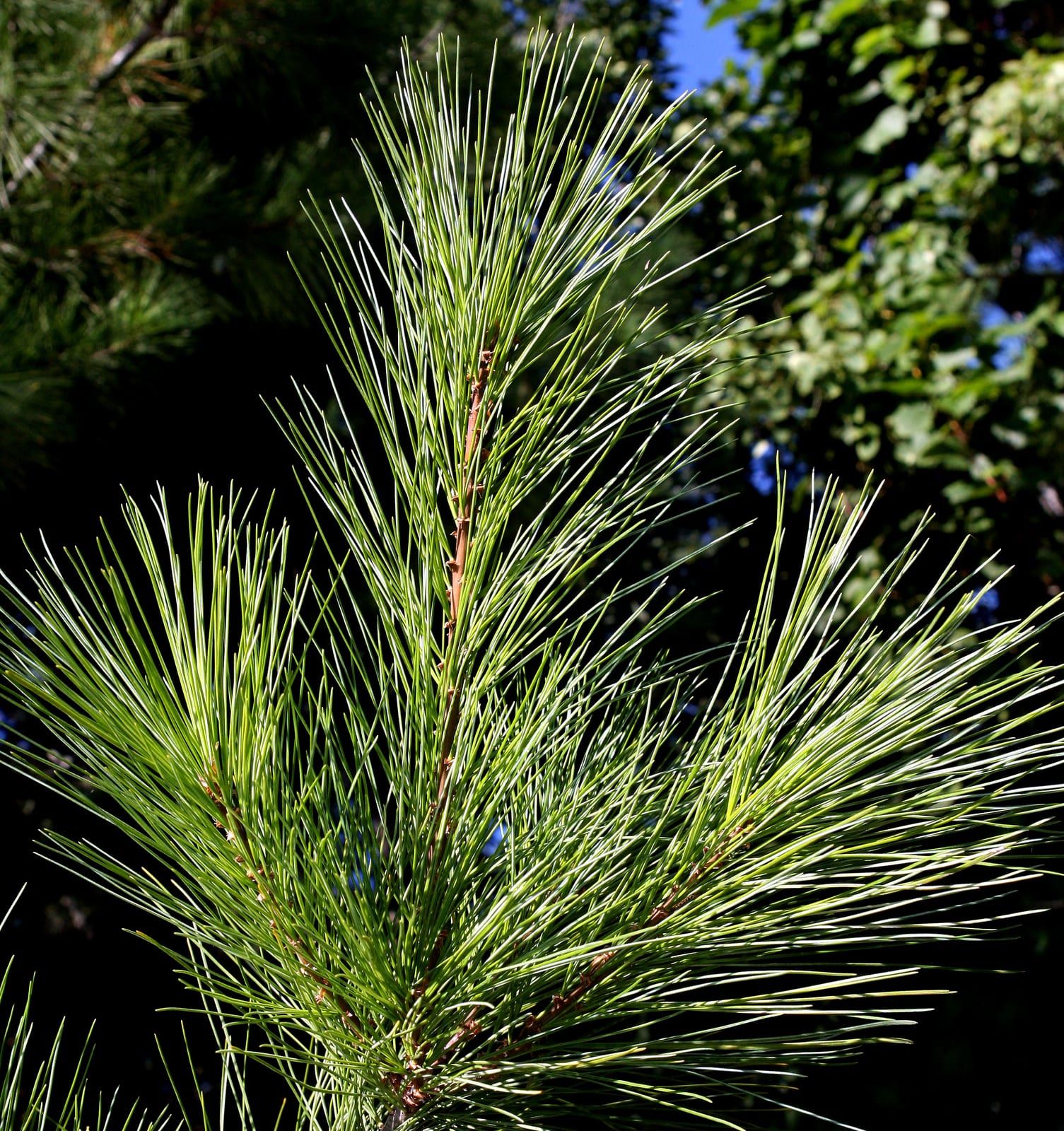
Eastern White Pine

Pinus strobus — Pinaceae

Native

Description & ID
tall pine with soft, flexible needles in bundles of five and long, slender cones; horizontal branch tiers.
Habitat
mixed forests, old fields, and slopes on a range of soils.
County status
native and common; 57 research-grade records [S1].
Conservation status
native; secure. The largest conifer of the northeastern forest. (confirm against PNHP)
Notes
historically logged for ship masts; fast-growing pioneer of old fields.

More on Wikipedia →

Pitch Pine

Pinus rigida — Pinaceae

Native

Description & ID
rugged ridge pine with stiff needles in threes, often sprouting from the trunk; persistent, prickly cones; fire-adapted.
Habitat
dry, sterile, fire-prone ridgetops and barrens — a signature tree of the anthracite ridges alongside scrub oak.
County status
native; 12 research-grade records [S1].
Conservation status
native; secure. Fire-dependent; declines with fire suppression. (confirm against PNHP)
Notes
serotinous cones and epicormic sprouting let it persist after fire; defines the region's pine-barrens character.

More on Wikipedia →

Virginia Pine

Pinus virginiana — Pinaceae

Native

Description & ID
scrubby small pine with short, twisted needles in pairs; an old-field and poor-soil colonizer.
Habitat
dry, eroded, and disturbed ground including reclaimed mine land.
County status
native; 11 research-grade records [S1].
Conservation status
native; secure. (confirm against PNHP)

More on Wikipedia →

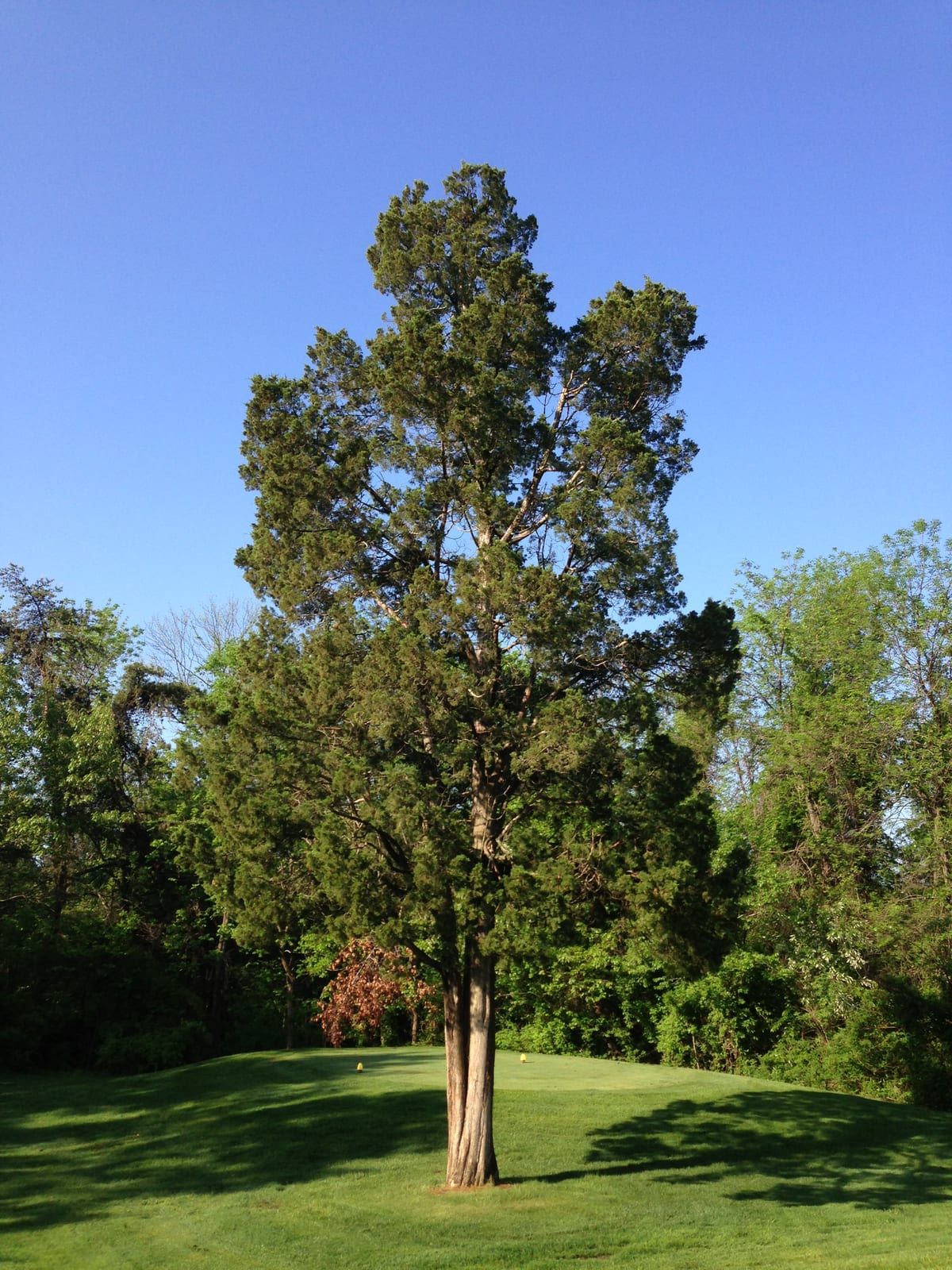
Eastern Redcedar

Juniperus virginiana — Cupressaceae

Native

Description & ID
evergreen juniper with scale-like (and juvenile awl-like) foliage, shreddy reddish bark, and fleshy blue "berries" (cones).
Habitat
old fields, fencerows, roadsides, and dry limy or disturbed ground; a pioneer of abandoned farmland.
County status
native; 18 research-grade records [S1].
Conservation status
native; secure. (confirm against PNHP)
Notes
berries eaten by cedar waxwings and other birds; alternate host for cedar-apple rust.

More on Wikipedia →

Norway Spruce

Picea abies — Pinaceae

Introduced

Description & ID
large planted spruce with drooping branchlets and long, hanging cones; dark green four-sided needles.
County status
introduced [S1]; 11 research-grade records [S1] — widely planted in plantations, windbreaks, and yards, occasionally persisting.
Conservation status
non-native (planted); not strongly invasive. (confirm against PNHP)

More on Wikipedia →

Gray Birch

Betula populifolia — Betulaceae

Native

Description & ID
small, short-lived birch with chalky-white, non-peeling bark marked by dark triangular patches below branches; triangular, long-pointed leaves.
Habitat
poor, disturbed, and reclaimed ground including old mine lands; a pioneer.
County status
native and common; 30 research-grade records [S1].
Conservation status
native; secure. A key colonizer of anthracite-disturbed barrens. (confirm against PNHP)

More on Wikipedia →

Sweet Birch (Black Birch)

Betula lenta — Betulaceae

Native

Description & ID
medium birch with dark, cherry-like bark and twigs that smell strongly of wintergreen when scratched; finely toothed ovate leaves.
Habitat
mesic slopes and rich woods; common in second-growth forest.
County status
native and common; 24 research-grade records [S1].
Conservation status
native; secure. (confirm against PNHP)
Notes
historically distilled for oil of wintergreen and birch beer.

More on Wikipedia →

Yellow Birch

Betula alleghaniensis — Betulaceae

Native

Description & ID
northern birch with shiny yellow-bronze, peeling bark and wintergreen-scented twigs (fainter than sweet birch).
Habitat
cool, moist northern-hardwood and hemlock forests, ravines, and seeps.
County status
native; 12 research-grade records [S1].
Conservation status
native; secure. (confirm against PNHP)

More on Wikipedia →

Smooth Alder

Alnus serrulata — Betulaceae

Native

Description & ID
multi-stemmed shrub of wet ground with small woody "cones" (strobiles) and obovate toothed leaves; nitrogen-fixing.
Habitat
streambanks, wet thickets, and wetland margins.
County status
native; 1 research-grade record [S1] (under-recorded).
Conservation status
native; secure. (confirm against PNHP)

More on Wikipedia →

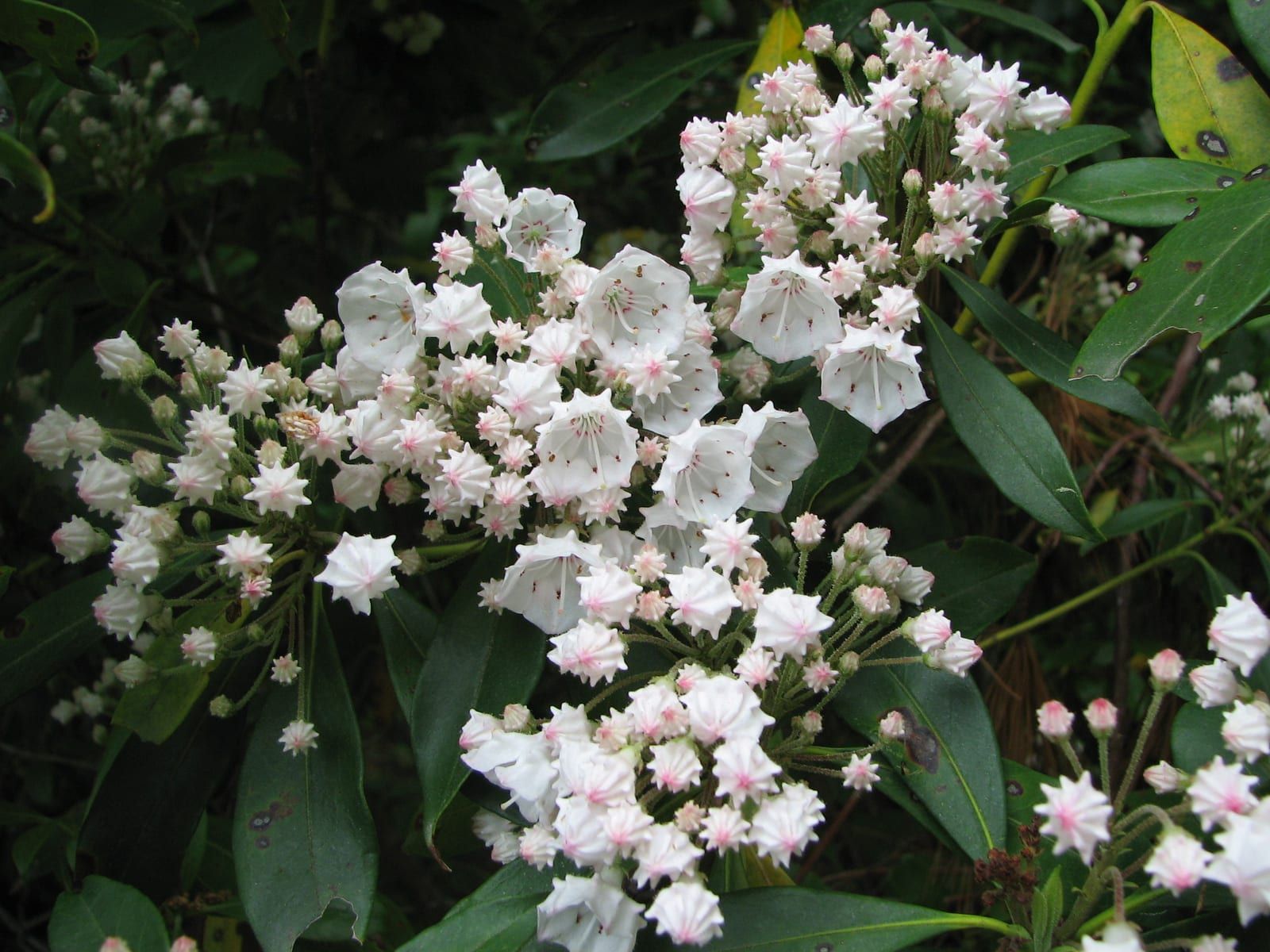
Mountain Laurel

Kalmia latifolia — Ericaceae

Native

Description & ID
evergreen shrub with leathery, glossy elliptical leaves and showy clusters of cup-shaped pink-to-white flowers with spring-loaded stamens. Pennsylvania's state flower.
Habitat
acidic, well-drained slopes, ridges, and oak–heath forests; forms dense thickets ("laurel hells").
County status
native and abundant; 117 research-grade records — the single most-recorded woody plant in the county [S1].
Conservation status
native; secure. (confirm against PNHP)
Notes
toxic to livestock; the dominant evergreen shrub of the county's ridges. Spectacular early-summer bloom.

More on Wikipedia →

Great Rhododendron (Rosebay)

Rhododendron maximum — Ericaceae

Native

Description & ID
large evergreen shrub or small tree with big leathery leaves and trusses of white-to-pink flowers; thickets in cool ravines.
Habitat
shaded, moist streamsides, ravines, and hemlock understories.
County status
native and common; 69 research-grade records [S1].
Conservation status
native; secure. (confirm against PNHP)
Notes
forms impenetrable evergreen thickets that suppress tree regeneration; important winter cover.

More on Wikipedia →

Eastern Teaberry (Wintergreen)

Gaultheria procumbens — Ericaceae

Native

Description & ID
low, creeping evergreen subshrub with glossy oval leaves, white bell flowers, and red berries; foliage smells of wintergreen.
Habitat
acidic woodland floors, especially under oaks, pines, and laurel.
County status
native and common; 30 research-grade records [S1].
Conservation status
native; secure. (confirm against PNHP)
Notes
source of natural oil of wintergreen; berries edible.

More on Wikipedia →

Sheep Laurel

Kalmia angustifolia — Ericaceae

Native

Description & ID
small evergreen shrub with narrow leaves and pink flower clusters borne below the new growth (vs. terminal in mountain laurel).
Habitat
acidic bogs, barrens, and poor sandy or peaty ground.
County status
native; 15 research-grade records [S1].
Conservation status
native; secure. Toxic to sheep ("lambkill"). (confirm against PNHP)

More on Wikipedia →

Trailing Arbutus

Epigaea repens — Ericaceae

Native

Description & ID
prostrate, woody-based evergreen with hairy oval leaves and fragrant pink-white spring flowers nestled in the litter.
Habitat
acidic, sandy or rocky woods under oak and pine.
County status
native; 8 research-grade records [S1].
Conservation status
native; secure but sensitive to disturbance and slow to recover; do not transplant. (confirm against PNHP)

More on Wikipedia →

Black Huckleberry

Gaylussacia baccata — Ericaceae

Native

Description & ID
low deciduous shrub with resin-dotted leaves (sticky-shiny beneath) and black, seedy berries; reddish twigs.
Habitat
dry acidic woods, ridges, and barrens, mixed with blueberries.
County status
native; 3 research-grade records [S1] (under-recorded; abundant in the field).
Conservation status
native; secure. (confirm against PNHP)

More on Wikipedia →

Highbush Blueberry

Vaccinium corymbosum — Ericaceae

Native

Description & ID
tall (to ~3 m) deciduous shrub with white-pink urn flowers and sweet blue berries; brilliant red fall color.
Habitat
wet thickets, swamp edges, and moist acidic woods.
County status
native; 5 research-grade records [S1].
Conservation status
native; secure. The wild ancestor of cultivated blueberries. (confirm against PNHP)

More on Wikipedia →

Winterberry

Ilex verticillata — Aquifoliaceae

Native

Description & ID
deciduous holly with dull green toothed leaves and dense, brilliant red berries persisting on bare winter stems (female plants).
Habitat
swamps, wet thickets, and pond margins.
County status
native and common; 39 research-grade records [S1].
Conservation status
native; secure. (confirm against PNHP)
Notes
showy winter berries are important late-season bird food and a popular landscape plant.

More on Wikipedia →

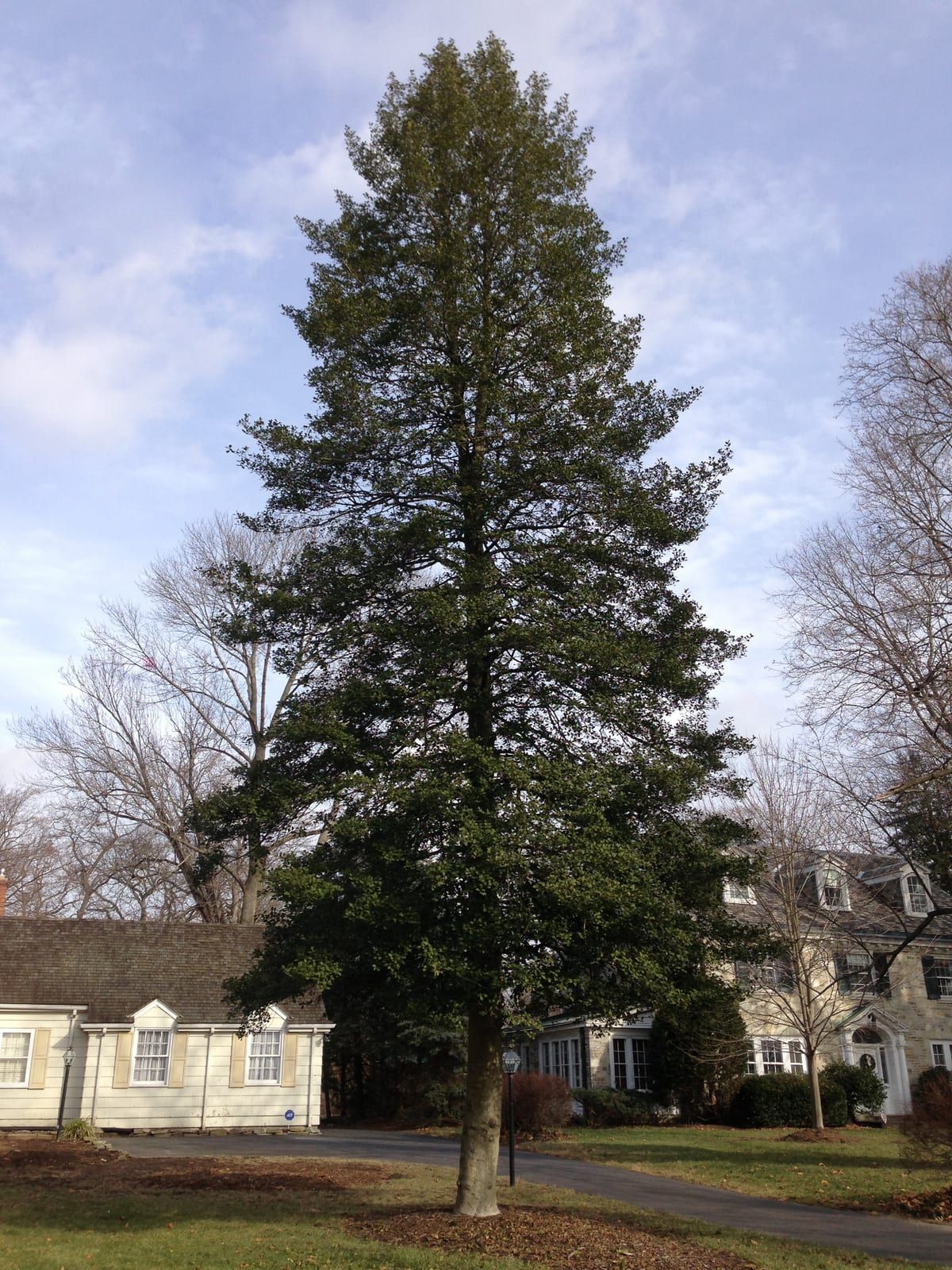
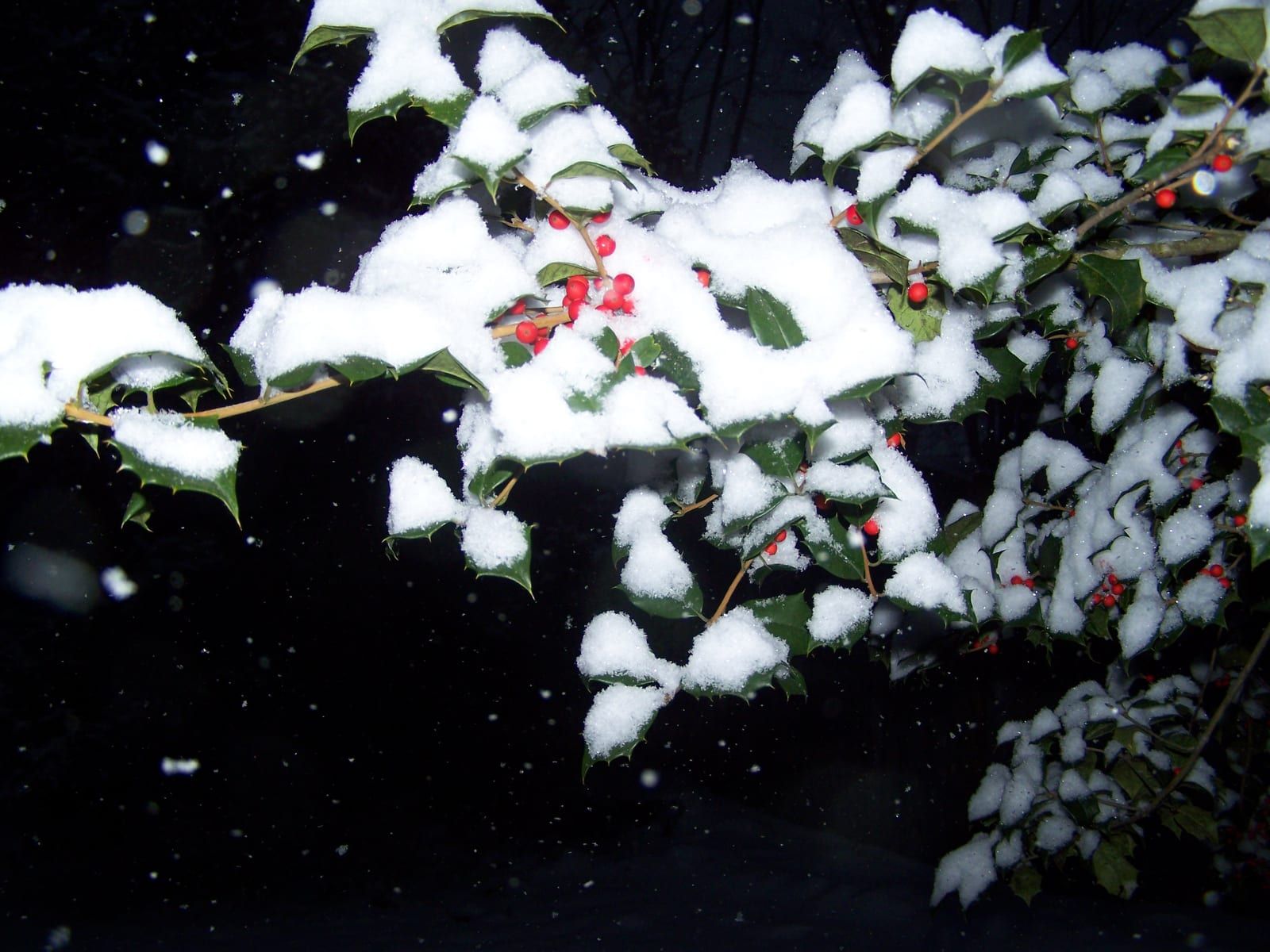
American Holly

Ilex opaca — Aquifoliaceae

Native

Description & ID
the classic evergreen holly — stiff, spiny leaves and red berries on female trees.
Habitat
moist woods; near the northern edge of its range here.
County status
native; 24 research-grade records [S1].
Conservation status
native; secure in PA though scattered. (The "th" IUCN flag in iNat reflects subpopulation assessments [S1].) (confirm against PNHP)

More on Wikipedia →

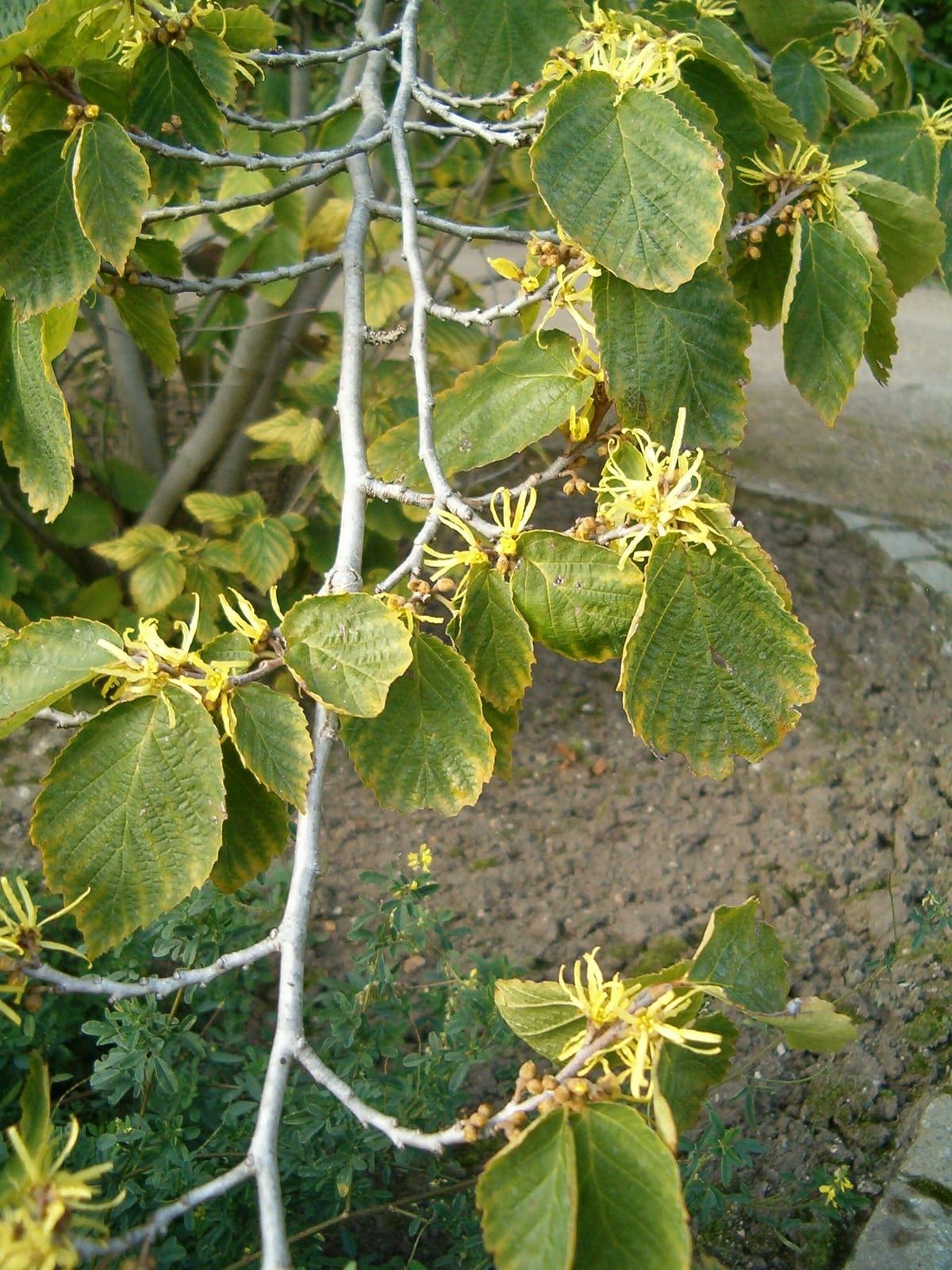
American Witch-hazel

Hamamelis virginiana — Hamamelidaceae

Native

Description & ID
large understory shrub with wavy-toothed asymmetrical leaves and spidery yellow flowers that bloom in late autumn as leaves fall; woody capsules eject seeds.
Habitat
moist to dry woodland understories throughout.
County status
native and common; 79 research-grade records [S1] — one of the most-recorded shrubs.
Conservation status
native; secure. (confirm against PNHP)
Notes
source of the astringent witch-hazel extract; unusual fall bloom.

More on Wikipedia →

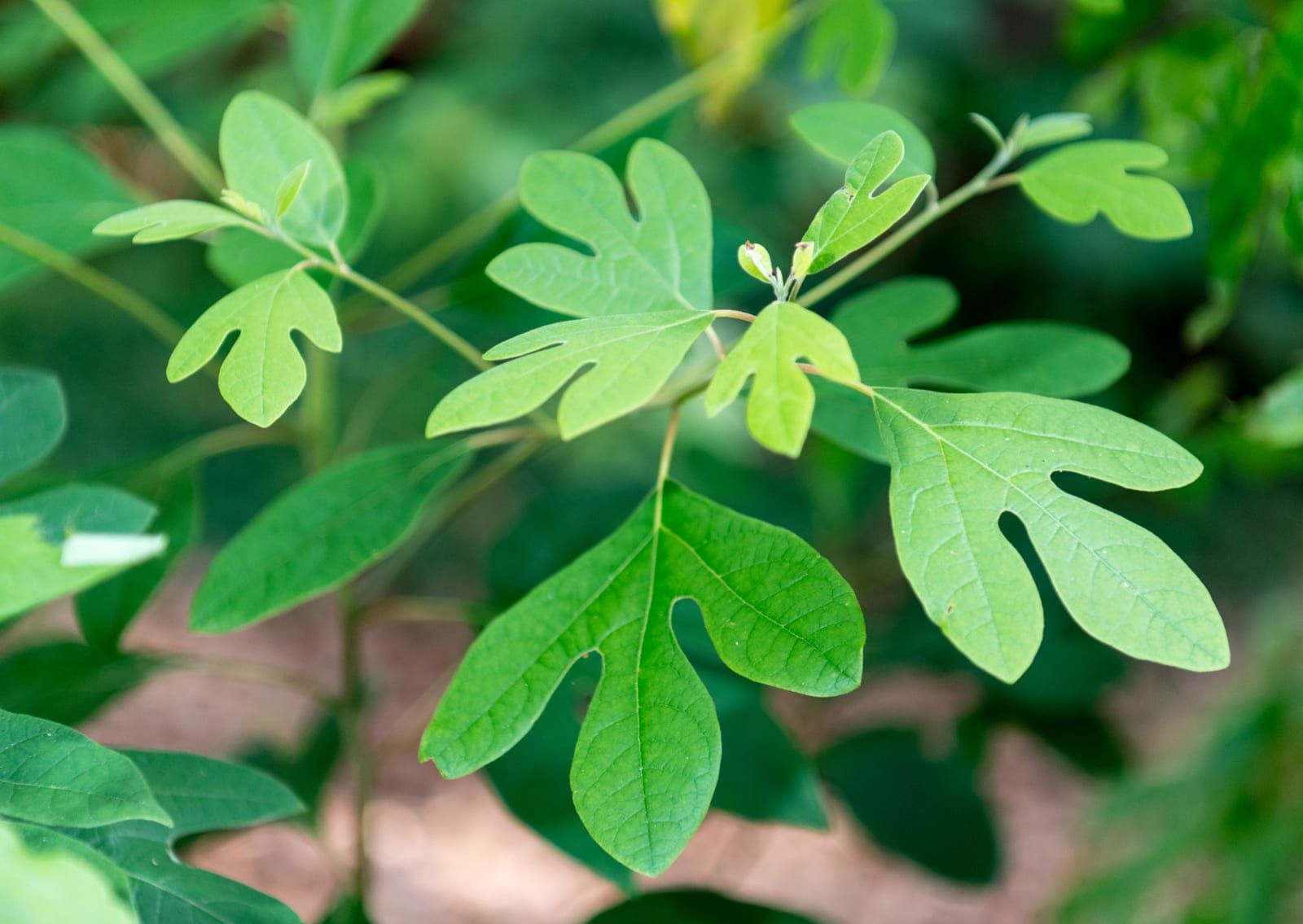
Sassafras

Sassafras albidum — Lauraceae

Native

Description & ID
aromatic tree with mitten-, three-lobed, and entire leaves all on one plant; green twigs; root-beer scent when bruised.
Habitat
old fields, woodland edges, and disturbed forests; thicket-forming.
County status
native and common; 68 research-grade records [S1].
Conservation status
native; secure. (confirm against PNHP)
Notes
host plant for spicebush swallowtail; roots historically flavored root beer.

More on Wikipedia →

Northern Spicebush

Lindera benzoin — Lauraceae

Native

Description & ID
aromatic shrub with smooth, lemon-scented leaves, tiny yellow early-spring flowers along the twigs, and red drupes on female plants.
Habitat
rich, moist woods and floodplains; an indicator of fertile soil.
County status
native and common; 23 research-grade records [S1].
Conservation status
native; secure. (confirm against PNHP)
Notes
larval host for the spicebush swallowtail; berries eaten by thrushes.

More on Wikipedia →

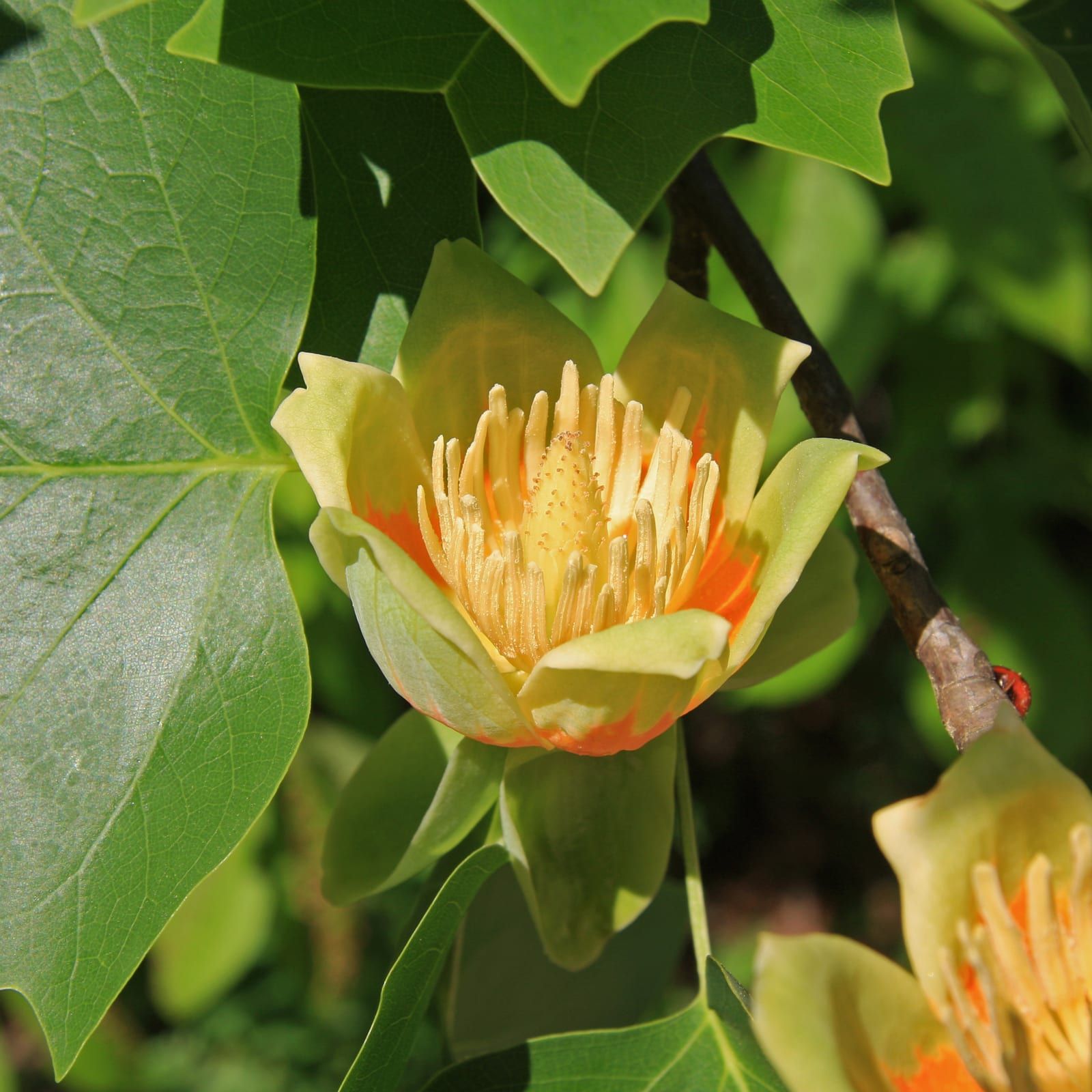
American Tuliptree (Tulip Poplar)

Liriodendron tulipifera — Magnoliaceae

Native

Description & ID
tall, straight tree with distinctive four-lobed "tulip" leaves and large orange-and-green tulip-shaped flowers; conelike fruit.
Habitat
rich, mesic slopes and coves; a fast-growing canopy tree.
County status
native and common; 60 research-grade records [S1].
Conservation status
native; secure. (confirm against PNHP)
Notes
one of the tallest eastern hardwoods; major nectar (honey) and timber tree.

More on Wikipedia →

Sweetfern

Comptonia peregrina — Myricaceae

Native

Description & ID
low, aromatic, fern-leaved shrub (not a fern); nitrogen-fixing; sweet resinous scent.
Habitat
dry, sterile, sandy or gravelly barrens, roadcuts, and reclaimed mine land.
County status
native and common; 41 research-grade records [S1] — a characteristic shrub of disturbed acidic ground.
Conservation status
native; secure. (confirm against PNHP)

More on Wikipedia →

Black Cherry

Prunus serotina — Rosaceae

Native

Description & ID
tall tree with dark, scaly "burnt cornflake" bark, finely toothed glossy leaves with rusty hairs along the midrib beneath, and drooping racemes of small black cherries.
Habitat
forests, old fields, and edges throughout; a valuable timber species.
County status
native; 13 research-grade records [S1].
Conservation status
native; secure. (confirm against PNHP)
Notes
premier furniture timber of PA; fruit feeds many birds; foliage cyanogenic.

More on Wikipedia →

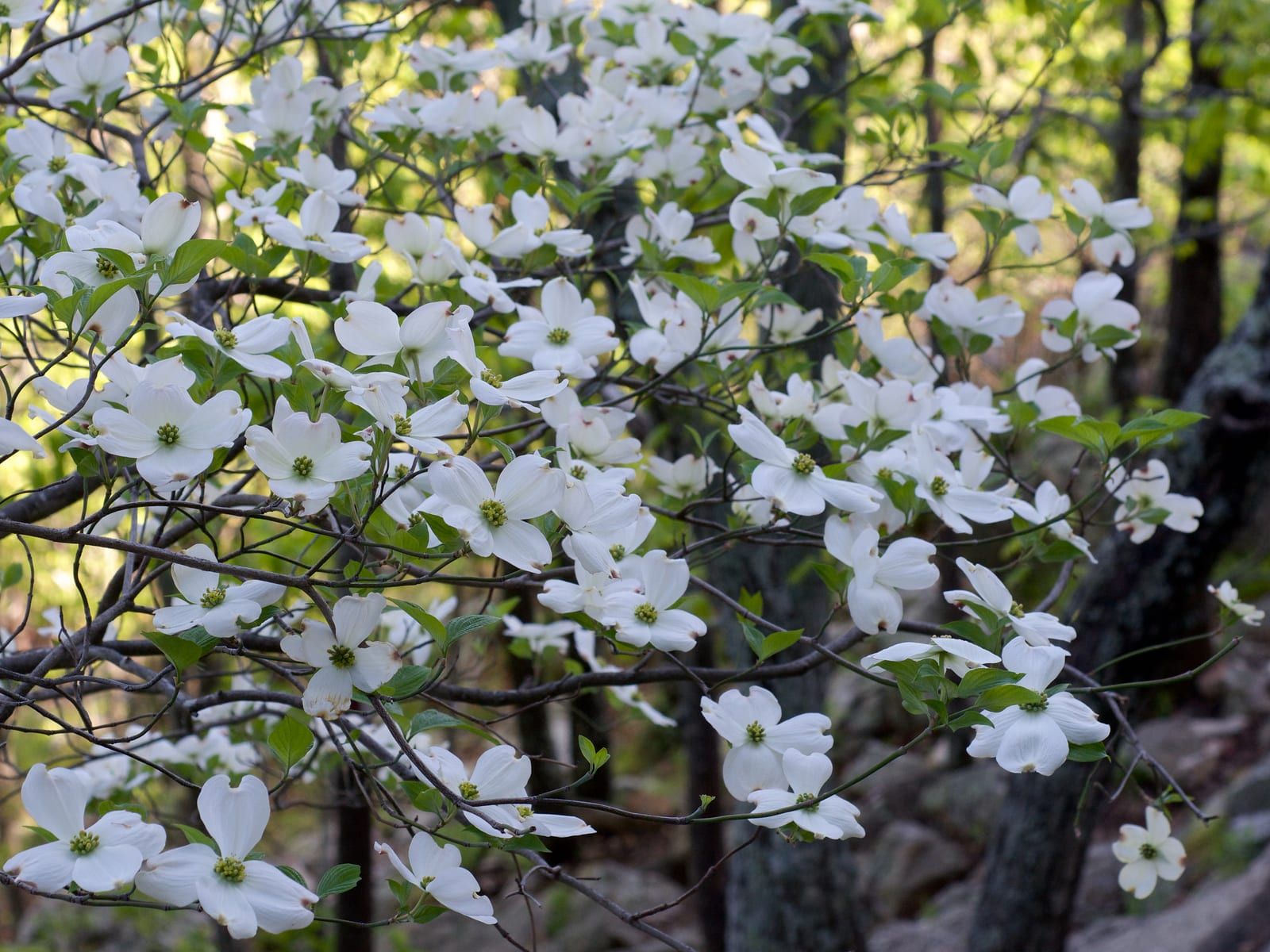
Flowering Dogwood

Cornus florida — Cornaceae

Native

Description & ID
small understory tree with showy white (petal-like bracts) spring "flowers," opposite veined leaves, and red fall drupes.
Habitat
woodland understories and edges.
County status
native; 22 research-grade records [S1].
Conservation status
native; locally affected by dogwood anthracnose. (confirm against PNHP)

More on Wikipedia →

Black Locust

Robinia pseudoacacia — Fabaceae

Native

Description & ID
medium tree with deeply furrowed bark, paired thorns, pinnately compound leaves, and fragrant white pea-flower clusters; nitrogen-fixing.
Habitat
old fields, roadsides, disturbed ground, and reclaimed mine land; thicket-forming via root suckers.
County status
native to PA's Appalachians but aggressively colonizing; 35 research-grade records [S1].
Conservation status
native (regionally) but behaves invasively outside its core range; valuable for erosion control and rot-resistant wood. (confirm against PNHP)

More on Wikipedia →

Staghorn Sumac

Rhus typhina — Anacardiaceae

Native

Description & ID
small thicket-forming tree with velvety, antler-like twigs, large pinnate leaves, and erect crimson fruit cones; brilliant red fall color.
Habitat
old fields, roadsides, and edges; colonizes disturbed ground.
County status
native; 25 research-grade records [S1].
Conservation status
native; secure. (confirm against PNHP)
Notes
fruit eaten by birds in winter; not poisonous (unlike poison sumac).

More on Wikipedia →

Black Tupelo (Black Gum)

Nyssa sylvatica — Nyssaceae

Native

Description & ID
medium tree with glossy obovate leaves turning intense scarlet very early in fall, horizontal branching, and blocky "alligator" bark; blue-black drupes.
Habitat
moist woods and swamp edges to dry ridges.
County status
native; 19 research-grade records [S1].
Conservation status
native; secure. Excellent honey and wildlife tree. (confirm against PNHP)

More on Wikipedia →

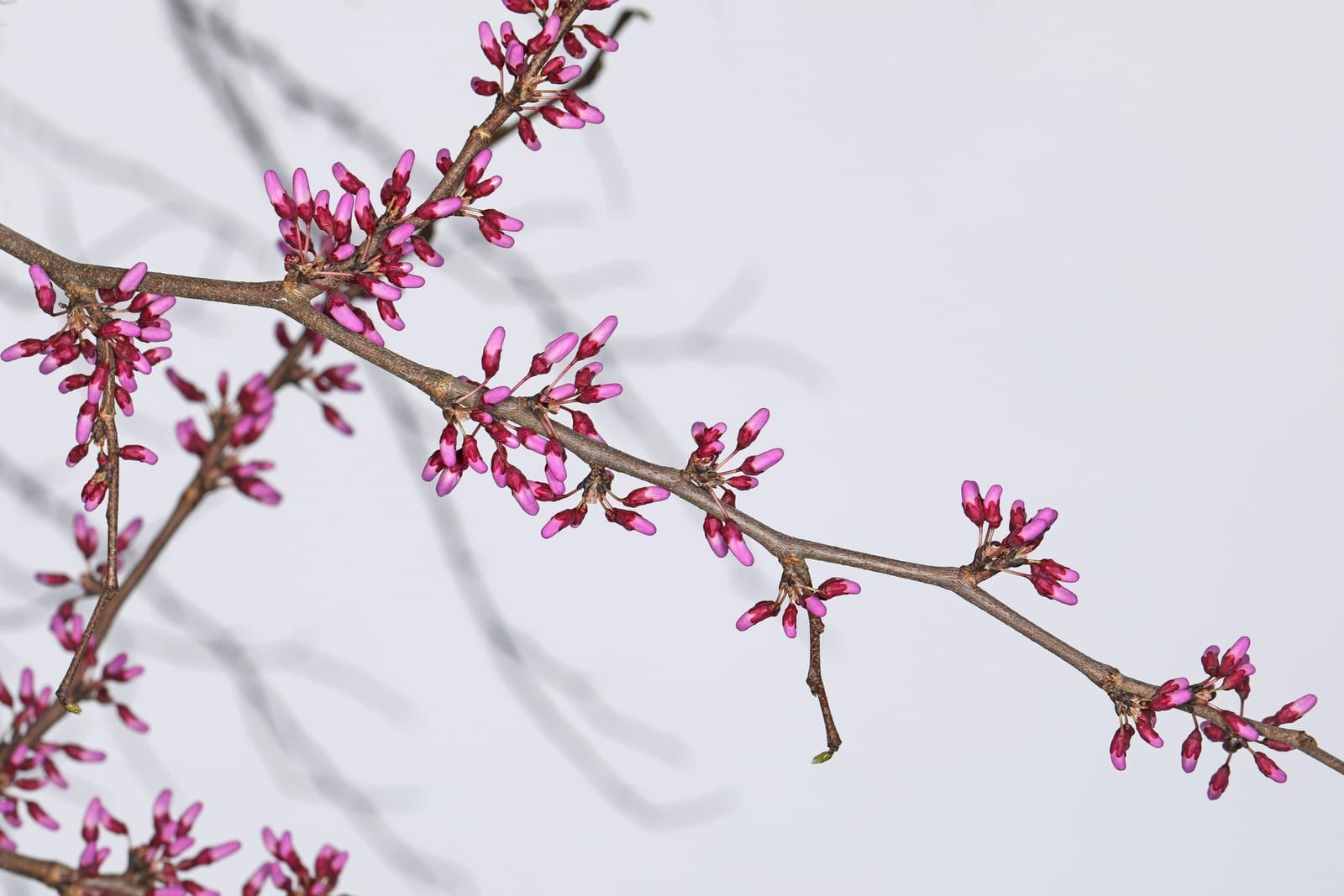
Eastern Redbud

Cercis canadensis — Fabaceae

Native

Description & ID
small tree with heart-shaped leaves and clusters of magenta-pink pea flowers borne directly on bare branches in early spring.
Habitat
woodland edges and rich slopes; widely planted and naturalized.
County status
native (near northern range edge) and planted; 21 research-grade records [S1].
Conservation status
native; secure. (confirm against PNHP)

More on Wikipedia →

Eastern Poison Ivy

Toxicodendron radicans — Anacardiaceae

Native

Description & ID
woody vine, ground-trailer, or low shrub with three almond-shaped leaflets ("leaves of three"), often glossy with reddish new growth; hairy aerial rootlets on climbing stems; white drupes.
Habitat
woods, edges, fencerows, floodplains, and disturbed ground — ubiquitous.
County status
native and common; 27 research-grade records [S1].
Conservation status
native; secure. Causes urushiol-induced dermatitis — do not touch; never burn (smoke is hazardous). (confirm against PNHP)
Notes
ecologically valuable (berries feed birds) but a significant human health hazard. Poison sumac (T. vernix, 3 records [S1]) occurs in the county's swamps and is likewise toxic.

More on Wikipedia →

Virginia Creeper

Parthenocissus quinquefolia — Vitaceae

Native

Description & ID
woody vine with five palmate leaflets (distinguishing it from poison ivy's three), adhesive tendril disks, and blue-black berries; crimson fall color.
Habitat
woods, edges, walls, and trees; climbs high.
County status
native and common; 19 research-grade records [S1].
Conservation status
native; secure. (confirm against PNHP)

More on Wikipedia →

Roundleaf Greenbrier

Smilax rotundifolia — Smilacaceae

Native

Description & ID
tough, green, thorny climbing vine with round-to-heart-shaped glossy leaves, tendrils, and blue-black berries; forms impenetrable thorny thickets.
Habitat
woods, edges, and thickets.
County status
native and common; 11 research-grade records [S1].
Conservation status
native; secure. (confirm against PNHP)

More on Wikipedia →

Virgin's-bower

Clematis virginiana — Ranunculaceae

Native

Description & ID
native climbing vine with compound leaves and masses of small white flowers followed by feathery seed plumes ("old-man's-beard").
Habitat
moist thickets, streambanks, and edges.
County status
native; 9 research-grade records [S1].
Conservation status
native; secure. (Contrast with introduced Clematis terniflora, below.) (confirm against PNHP)

More on Wikipedia →

Wineberry

Rubus phoenicolasius — Rosaceae

Invasive invasive

Description & ID
bramble with stems densely covered in distinctive red glandular hairs; three leaflets, white-woolly beneath; sticky red berries.
Habitat
edges, floodplains, and disturbed woods; forms dense thickets.
County status
introduced and invasive [S1][S7]; 19 research-grade records [S1].
Conservation status
non-native invasive (East Asian); displaces native brambles. On PA invasive lists [S7]. (confirm against PNHP)

More on Wikipedia →

Black Raspberry

Rubus occidentalis — Rosaceae

Native

Description & ID
arching bramble with whitish-bloomed (glaucous) purple canes, three to five leaflets white beneath, and hollow-cored black fruit.
Habitat
edges, clearings, and thickets.
County status
native; 16 research-grade records [S1].
Conservation status
native; secure. (confirm against PNHP)

More on Wikipedia →

Purple-flowering Raspberry

Rubus odoratus — Rosaceae

Native

Description & ID
thornless bramble with large maple-like leaves and showy rose-purple flowers; shallow red fruit.
Habitat
moist, rocky, shaded slopes and roadbanks.
County status
native; 13 research-grade records [S1].
Conservation status
native; secure. (confirm against PNHP)

More on Wikipedia →

Carolina Rose / Swamp Rose

Rosa carolina — Rosaceae

Native

Description & ID
native wild roses with pink five-petaled flowers and red hips; Carolina rose on dry ground, swamp rose in wet thickets.
County status
native; R. carolina 8 records, R. palustris 2 records [S1].
Conservation status
native; secure (distinguish from the invasive multiflora rose below). (confirm against PNHP)

More on Wikipedia →

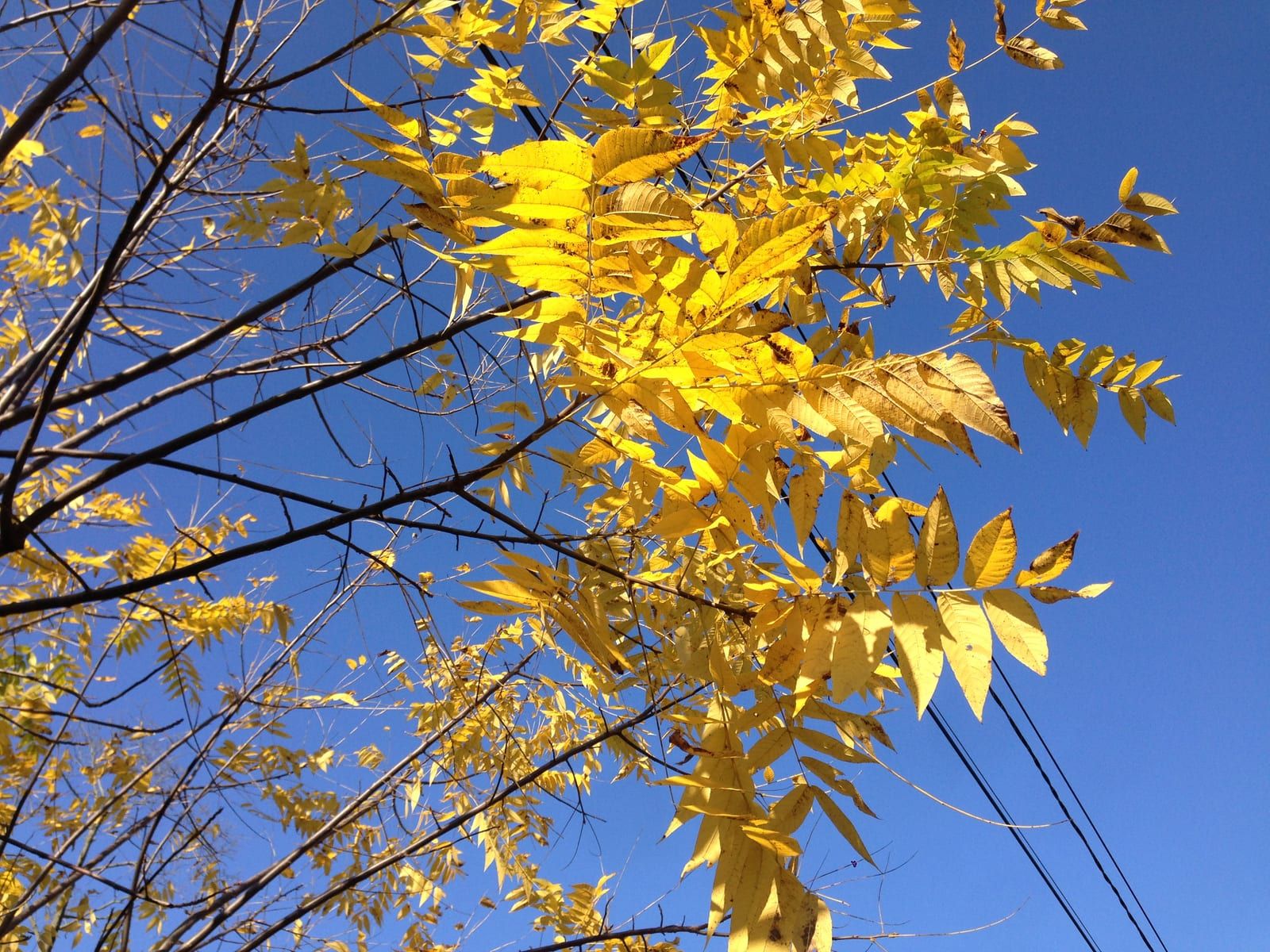
Tree-of-Heaven

Ailanthus altissima — Simaroubaceae

Invasive invasive

Description & ID
fast-growing tree with very large pinnately compound leaves, each leaflet with one or two glandular basal teeth; crushed foliage smells rank ("cat urine"). Smooth gray bark; clusters of winged samaras.
Habitat
roadsides, railways, urban lots, mine spoil, and forest edges; thicket-forming by root suckers.
County status
introduced and highly invasive [S1][S7]; 47 research-grade records [S1].
Conservation status
non-native invasive (East Asian). Primary host of the spotted lanternfly (Lycorma delicatula); produces allelopathic chemicals that suppress other plants. Targeted for control by PA DCNR [S7]. (confirm against PNHP)

More on Wikipedia →

Multiflora Rose

Rosa multiflora — Rosaceae

Invasive invasive

Description & ID
arching, thorny shrub forming dense thickets; clusters of small white flowers and tiny red hips; fringed (comb-like) stipules at the leaf base are diagnostic.
Habitat
pastures, old fields, edges, and open woods.
County status
introduced and invasive [S1][S7]; 47 research-grade records [S1].
Conservation status
non-native invasive; a PA noxious weed once promoted for "living fences." Forms impenetrable thickets that degrade pasture and habitat. (confirm against PNHP)

More on Wikipedia →

Autumn Olive

Elaeagnus umbellata — Elaeagnaceae

Invasive invasive

Description & ID
shrub with silvery-scaly leaf undersides, fragrant pale-yellow flowers, and speckled red berries; nitrogen-fixing.
Habitat
old fields, roadsides, reclaimed mine land, and edges.
County status
introduced and invasive [S1][S7]; 54 research-grade records [S1].
Conservation status
non-native invasive (East Asian); once widely planted for wildlife and reclamation, now a serious invader that fixes nitrogen and alters soils. (confirm against PNHP)

More on Wikipedia →

Japanese Barberry

Berberis thunbergii — Berberidaceae

Invasive invasive

Description & ID
dense, spiny shrub with small spoon-shaped leaves (often red-purple in cultivars), single spines, yellow inner wood, and red berries.
Habitat
forest understories, edges, and disturbed woods.
County status
introduced and invasive [S1][S7]; 30 research-grade records [S1].
Conservation status
non-native invasive; forms dense thickets and is associated with elevated blacklegged-tick (Lyme disease) densities. On PA invasive lists [S7]. (confirm against PNHP)

More on Wikipedia →

Asian Bittersweet

Celastrus orbiculatus — Celastraceae

Invasive invasive

Description & ID
twining woody vine with round-toothed leaves and clusters of yellow capsules splitting to show scarlet-arilled seeds; girdles and topples trees.
Habitat
edges, woods, and roadsides; climbs high into the canopy.
County status
introduced and invasive [S1][S7]; 29 research-grade records [S1].
Conservation status
non-native invasive; outcompetes and hybridizes with the native American bittersweet. (confirm against PNHP)

More on Wikipedia →

Gray (Speckled) Alder

Alnus incana — Betulaceae

Native Specimen-documented (USDA PLANTS / herbarium voucher)

Description & ID
multi-stemmed wetland shrub or small tree to ~6 m, with conspicuous horizontal lenticels ("speckles") on gray bark, doubly serrate ovate leaves, and small woody cone-like strobiles; nitrogen-fixing via root nodules. Distinguished from the county's common smooth alder (A. serrulata) by its more northern affinity and leaf shape.
Habitat
streambanks, swamp margins, seeps, and cold wet thickets.
County status
documented by herbarium/USDA records [S3]/[S16]; not yet iNaturalist-observed in Schuylkill County as of 2026-06-18.
Conservation status
native; secure regionally. The PA material is subsp. rugosa. (confirm against PNHP)

More on Wikipedia →

Bunchberry

Cornus canadensis — Cornaceae

Native Specimen-documented (USDA PLANTS / herbarium voucher)

Description & ID
a dwarf, creeping, herbaceous-looking dogwood only 10–20 cm tall, forming carpets; a whorl of 4–6 veined leaves below a single "flower" of four white petal-like bracts, ripening to a tight cluster ("bunch") of red berries.
Habitat
cool, moist, acidic conifer and northern-hardwood woods, mossy seeps, and bog edges — a northern species at the southern edge of its range here.
County status
documented by herbarium/USDA records [S3]/[S16]; not yet iNaturalist-observed in the county.
Conservation status
native; a cool-climate relict locally — confirm PA rank against PNHP [S4]. (confirm against PNHP)
Notes
the flower's explosive pollen release is among the fastest movements in the plant kingdom.

More on Wikipedia →

Red & Purple Chokeberry

Aronia arbutifolia — Rosaceae

Native Specimen-documented (USDA PLANTS / herbarium voucher)

Description & ID
thicket-forming shrubs to ~2–3 m with finely toothed obovate leaves (glandular along the upper midrib), flat clusters of small white-to-pink flowers, and persistent red (A. arbutifolia) or purple-black (the hybrid A. ×prunifolia, with black chokeberry A. melanocarpa) pomes; brilliant red fall color.
Habitat
acidic wet thickets, bog and swamp margins, and damp barrens.
County status
documented by USDA records [S3]; not yet iNaturalist-observed (the related black chokeberry A. melanocarpa IS on the iNaturalist list above).
Conservation status
native; secure. (confirm against PNHP)

More on Wikipedia →

Common Juniper

Juniperus communis — Cupressaceae

Native Specimen-documented (USDA PLANTS / herbarium voucher)

Description & ID
low, spreading-to-prostrate evergreen shrub (rarely a small tree) with sharp, awl-shaped needles in whorls of three, each bearing a single white band above, and fleshy blue "berries" (cones). Differs from the county's common eastern redcedar (J. virginiana), which has scale-like adult foliage.
Habitat
dry, rocky, open barrens, ledges, and sterile acidic ground — the county's anthracite ridges and old pastures.
County status
documented by USDA records [S3]; not yet iNaturalist-observed in the county.
Conservation status
native; the circumboreal species, here as var. depressa. (confirm against PNHP)

More on Wikipedia →

Leatherleaf

Chamaedaphne calyculata — Ericaceae

Native Specimen-documented (USDA PLANTS / herbarium voucher)

Description & ID
low, much-branched evergreen bog shrub to ~1 m with small, leathery, scurfy-scaled leaves that diminish up the stem, and one-sided racemes of small white urn-shaped flowers in early spring.
Habitat
acidic peatlands — the open mat of bogs and poor fens, often with sphagnum, cranberry, and sundew.
County status
documented by herbarium/USDA records [S3]/[S16]; not yet iNaturalist-observed in the county. A strong indicator of high-quality peatland.
Conservation status
native; locally restricted to scarce bog habitat — confirm PA rank against PNHP [S4]. (confirm against PNHP)

More on Wikipedia →

Small Cranberry

Vaccinium oxycoccos — Ericaceae

Native Specimen-documented (USDA PLANTS / herbarium voucher)

Description & ID
a slender, trailing, wiry evergreen subshrub of sphagnum mats, with tiny (3–8 mm) leaves whitened beneath and rolled at the margins, nodding pink "shooting-star" flowers, and small speckled red berries. Daintier in every part than the large cranberry (V. macrocarpon, which is on the iNaturalist list).
Habitat
open sphagnum bogs and poor fens.
County status
documented by USDA records [S3]; not yet iNaturalist-observed in the county.
Conservation status
native; a peatland specialist, likely rare locally — confirm PA rank against PNHP [S4]. (confirm against PNHP)

More on Wikipedia →

Complete checklist

Every taxon recorded research-grade for Schuylkill County as of 2026-06-18, by provenance tier. 203 are iNaturalist research-grade records; 63 more are specimen-documented (herbarium / USDA) but not yet photographed on iNaturalist.

203 iNaturalist county records
Common name Scientific name Records Status
mountain laurel Kalmia latifolia 117 Native
eastern hemlock Tsuga canadensis 97 Native
American chestnut Castanea dentata 83 Native
American witch-hazel Hamamelis virginiana 79 Native
red maple Acer rubrum 71 Native
Norway maple Acer platanoides 69 Introduced
great rhododendron Rhododendron maximum 69 Native
sassafras Sassafras albidum 68 Native
American tuliptree Liriodendron tulipifera 60 Native
eastern white pine Pinus strobus 57 Native
autumn olive Elaeagnus umbellata 54 Introduced
striped maple Acer pensylvanicum 47 Native
tree-of-heaven Ailanthus altissima 47 Introduced
multiflora rose Rosa multiflora 47 Introduced
sweetfern Comptonia peregrina 41 Native
winterberry holly Ilex verticillata 39 Native
silver maple Acer saccharinum 36 Native
black locust Robinia pseudoacacia 35 Native
white oak Quercus alba 31 Native
Japanese barberry Berberis thunbergii 30 Introduced
gray birch Betula populifolia 30 Native
Eastern teaberry Gaultheria procumbens 30 Native
box elder Acer negundo 29 Native
Asian bittersweet Celastrus orbiculatus 29 Introduced
bigtooth aspen Populus grandidentata 28 Native
chestnut oak Quercus montana 28 Native
eastern poison ivy Toxicodendron radicans 27 Native
staghorn sumac Rhus typhina 25 Native
red-berried elder Sambucus racemosa 25 Native
American mountain ash Sorbus americana 25 Native
sweet birch Betula lenta 24 Native
American holly Ilex opaca 24 Native
northern spicebush Lindera benzoin 23 Native
flowering dogwood Cornus florida 22 Native
northern red oak Quercus rubra 22 Native
wild sarsaparilla Aralia nudicaulis 21 Native
eastern redbud Cercis canadensis 21 Native
American beech Fagus grandifolia 20 Native
black tupelo Nyssa sylvatica 19 Native
Virginia creeper Parthenocissus quinquefolia 19 Native
shining sumac Rhus copallinum 19 Native
wineberry Rubus phoenicolasius 19 Introduced
eastern redcedar Juniperus virginiana 18 Native
Amur honeysuckle Lonicera maackii 17 Introduced
black raspberry Rubus occidentalis 16 Native
sheep laurel Kalmia angustifolia 15 Native
Callery pear Pyrus calleryana 15 Introduced
lesser periwinkle Vinca minor 15 Introduced
bear oak Quercus ilicifolia 14 Native
bristly sarsaparilla Aralia hispida 13 Native
river birch Betula nigra 13 Native
northern catalpa Catalpa speciosa 13 Introduced
Mountain Winterberry Ilex montana 13 Native
Japanese honeysuckle Lonicera japonica 13 Introduced
black cherry Prunus serotina 13 Native
purple-flowered raspberry Rubus odoratus 13 Native
mapleleaf viburnum Viburnum acerifolium 13 Native
yellow birch Betula alleghaniensis 12 Native
honey locust Gleditsia triacanthos 12 Native
American sweetgum Liquidambar styraciflua 12 Native
pitch pine Pinus rigida 12 Native
Norway spruce Picea abies 11 Introduced
Virginia pine Pinus virginiana 11 Native
roundleaf greenbrier Smilax rotundifolia 11 Native
winged euonymus (burning bush) Euonymus alatus 10 Introduced
wild hydrangea Hydrangea arborescens 10 Native
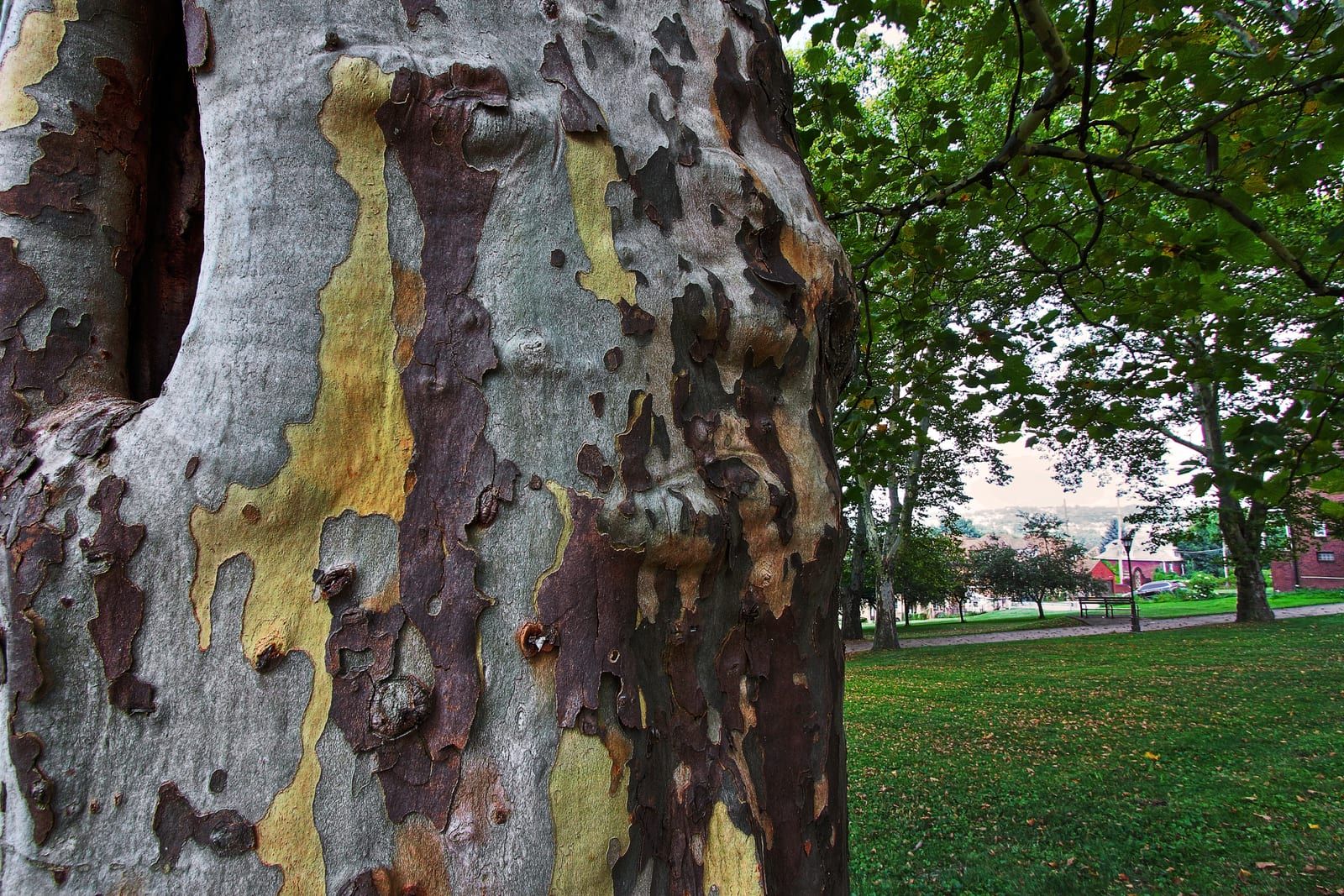
American sycamore Platanus occidentalis 10 Native
virgin's-bower Clematis virginiana 9 Native
eastern black walnut Juglans nigra 9 Native
pin oak Quercus palustris 9 Native
American black elderberry Sambucus canadensis 9 Native
basswood Tilia americana 9 Native
Japanese snowball Viburnum plicatum 9 Introduced
shagbark hickory Carya ovata 8 Native
trailing arbutus Epigaea repens 8 Native
border privet Ligustrum obtusifolium 8 Introduced
black oak Quercus velutina 8 Native
Pinxter flower Rhododendron periclymenoides 8 Native
Carolina rose Rosa carolina 8 Native
white meadowsweet Spiraea alba 8 Native
buttonbush Cephalanthus occidentalis 7 Native
sweet autumn clematis Clematis terniflora 7 Introduced
scarlet oak Quercus coccinea 7 Native
guelder-rose Viburnum opulus 7 Introduced
American trumpet vine Campsis radicans 6 Native
Chinese chestnut Castanea mollissima 6 Introduced
English ivy Hedera helix 6 Introduced
common hibiscus (rose of Sharon) Hibiscus syriacus 6 Introduced
mountain holly (catberry) Ilex mucronata 6 Native
Osage-orange Maclura pomifera 6 Introduced
quaking aspen Populus tremuloides 6 Native
Japanese spirea Spiraea japonica 6 Introduced
American cranberry Vaccinium macrocarpon 6 Native
sugar maple Acer saccharum 5 Native
black chokeberry Aronia melanocarpa 5 Native
butterfly bush Buddleja davidii 5 Introduced
alternate-leaved dogwood Cornus alternifolia 5 Native
Chinese bushclover Lespedeza cuneata 5 Introduced
maleberry (he-huckleberry) Lyonia ligustrina 5 Native
princess tree Paulownia tomentosa 5 Introduced
northern white-cedar Thuja occidentalis 5 Native
northern highbush blueberry Vaccinium corymbosum 5 Native
blackhaw Viburnum prunifolium 5 Native
Persian silk tree (mimosa) Albizia julibrissin 4 Introduced
paper birch Betula papyrifera 4 Native
American hornbeam Carpinus caroliniana 4 Native
silky dogwood Cornus amomum 4 Native
beaked hazelnut Corylus cornuta 4 Native
white ash Fraxinus americana 4 Native
black ash Fraxinus nigra 4 Native
flower-of-an-hour Hibiscus trionum 4 Introduced
Morrow's honeysuckle Lonicera morrowii 4 Introduced
white mulberry Morus alba 4 Introduced
pussy willow Salix discolor 4 Native
steeplebush Spiraea tomentosa 4 Native
common lilac Syringa vulgaris 4 Introduced
early lowbush blueberry Vaccinium pallidum 4 Native
balsam fir Abies balsamea 3 Native
Japanese angelica tree Aralia elata 3 Introduced
pignut hickory Carya glabra 3 Native
black huckleberry Gaylussacia baccata 3 Native
red spruce Picea rubens 3 Native
Scots pine Pinus sylvestris 3 Introduced
sawbrier Smilax glauca 3 Native
poison sumac Toxicodendron vernix 3 Native
Japanese maple Acer palmatum 2 Introduced
mountain maple Acer spicatum 2 Native
Freeman's maple Acer × freemanii 2 Native
horse-chestnut Aesculus hippocastanum 2 Introduced
common serviceberry Amelanchier arborea 2 Native
porcelain berry Ampelopsis glandulosa 2 Introduced
American spikenard Aralia racemosa 2 Native
leatherleaf mahonia Berberis bealei 2 Introduced
Carolina sweetshrub Calycanthus floridus 2 Introduced
mockernut hickory Carya tomentosa 2 Native
American hazelnut Corylus americana 2 Native
fortune's spindle (wintercreeper) Euonymus fortunei 2 Introduced
tamarack Larix laricina 2 Native
hairy lespedeza Lespedeza hirta 2 Native
violet bush clover Lespedeza violacea 2 Native
common privet Ligustrum vulgare 2 Introduced
coral honeysuckle Lonicera sempervirens 2 Native
sweet crabapple Malus coronaria 2 Native
blue spruce Picea pungens 2 Introduced
Jack pine Pinus banksiana 2 Native
wild cherry (sweet cherry) Prunus avium 2 Introduced
fire cherry Prunus pensylvanica 2 Native
common pear Pyrus communis 2 Introduced
swamp rose Rosa palustris 2 Native
Allegheny blackberry Rubus allegheniensis 2 Native
dewdrop Rubus dalibarda 2 Native
prairie willow Salix humilis 2 Native
American elm Ulmus americana 2 Native
deerberry Vaccinium stamineum 2 Native
Chinese wisteria Wisteria sinensis 2 Introduced
white fir Abies concolor 1 Native
field maple Acer campestre 1 Introduced
sycamore maple Acer pseudoplatanus 1 Introduced
five-leaf akebia Akebia quinata 1 Introduced
smooth alder Alnus serrulata 1 Native
common pawpaw Asimina triloba 1 Native
silver birch Betula pendula 1 Introduced
bitternut hickory Carya cordiformis 1 Native
southern catalpa Catalpa bignonioides 1 Introduced
common hackberry Celtis occidentalis 1 Native
white fringetree Chionanthus virginicus 1 Native
kousa dogwood Cornus kousa 1 Introduced
gray dogwood Cornus racemosa 1 Native
hawthorns (genus) Crataegus 1 Native
northern bush honeysuckle Diervilla lonicera 1 Native
American persimmon Diospyros virginiana 1 Native
Japanese spindle tree Euonymus japonicus 1 Introduced
golden-bell (forsythia) Forsythia suspensa 1 Introduced
alder buckthorn Frangula alnus 1 Introduced
green ash Fraxinus pennsylvanica 1 Native
swamp rose mallow Hibiscus moscheutos 1 Native
butternut Juglans cinerea 1 Native
shrub lespedeza Lespedeza bicolor 1 Introduced
American fly-honeysuckle Lonicera canadensis 1 Native
sweet mock orange Philadelphus coronarius 1 Introduced
common ninebark Physocarpus opulifolius 1 Native
white spruce Picea glauca 1 Native
shortleaf pine Pinus echinata 1 Native · PA S1S2 (confirm vs PNHP)
red pine Pinus resinosa 1 Native
eastern cottonwood Populus deltoides 1 Native
sawtooth oak Quercus acutissima 1 Introduced
bur oak Quercus macrocarpa 1 Native · PA S3 (confirm vs PNHP)
smooth sumac Rhus glabra 1 Native
prickly gooseberry Ribes cynosbati 1 Native
Appalachian gooseberry Ribes rotundifolium 1 Native
memorial rose Rosa luciae 1 Introduced
common dewberry Rubus flagellaris 1 Native
swamp dewberry Rubus hispidus 1 Native
rusty willow Salix atrocinerea 1 Introduced
weeping willow Salix babylonica 1 Introduced
black willow Salix nigra 1 Native
slippery elm Ulmus rubra 1 Native
lowbush blueberry Vaccinium angustifolium 1 Native
Korean spice viburnum Viburnum carlesii 1 Introduced
southern arrowwood Viburnum dentatum 1 Native
linden viburnum Viburnum dilatatum 1 Introduced
northern arrowwood Viburnum recognitum 1 Native
summer grape Vitis aestivalis 1 Native
63 specimen-documented — not yet iNaturalist-observed

Documented for the county by USDA PLANTS and/or Mid-Atlantic Herbaria voucher records, but lacking a research-grade iNaturalist county record as of 2026-06-18. Kept separate so the iNaturalist counts above stay clean. Conservation ranks for these taxa are unverified here — confirm against PNHP.

Common nameScientific nameFamilyStatusDocumented by
gray alder Alnus incana Betulaceae Native USDA PLANTS / herbarium voucher
Allegheny serviceberry Amelanchier laevis Rosaceae Native USDA PLANTS / herbarium voucher
running serviceberry Amelanchier stolonifera Rosaceae Native USDA PLANTS / herbarium voucher
devil's walkingstick Aralia spinosa Araliaceae Native USDA PLANTS / herbarium voucher
red chokeberry Aronia arbutifolia Rosaceae Native USDA PLANTS / herbarium voucher
purple chokeberry Aronia ×prunifolia Rosaceae Native USDA PLANTS / herbarium voucher
eastern baccharis Baccharis halimifolia Asteraceae Native USDA PLANTS / herbarium voucher
New Jersey tea Ceanothus americanus Rhamnaceae Native USDA PLANTS / herbarium voucher
American bittersweet Celastrus scandens Celastraceae Native USDA PLANTS / herbarium voucher
leatherleaf Chamaedaphne calyculata Ericaceae Native USDA PLANTS / herbarium voucher
western blue virginsbower Clematis occidentalis Ranunculaceae Native USDA PLANTS / herbarium voucher
bunchberry dogwood Cornus canadensis Cornaceae Native USDA PLANTS / herbarium voucher
roundleaf dogwood Cornus rugosa Cornaceae Native USDA PLANTS / herbarium voucher
fanleaf hawthorn Crataegus flabellata Rosaceae Native USDA PLANTS / herbarium voucher
waxyfruit hawthorn Crataegus pruinosa Rosaceae Native USDA PLANTS / herbarium voucher
Cornish heath Erica vagans Ericaceae Introduced USDA PLANTS / herbarium voucher
bursting-heart (strawberry-bush) Euonymus americanus Celastraceae Native USDA PLANTS / herbarium voucher
dangleberry Gaylussacia frondosa Ericaceae Native USDA PLANTS / herbarium voucher
common hop Humulus lupulus Cannabaceae Native USDA PLANTS / herbarium voucher
smooth winterberry Ilex laevigata Aquifoliaceae Native USDA PLANTS / herbarium voucher
common juniper Juniperus communis Cupressaceae Native USDA PLANTS / herbarium voucher
European larch Larix decidua Pinaceae Introduced USDA PLANTS / herbarium voucher
limber honeysuckle Lonicera dioica Caprifoliaceae Native USDA PLANTS / herbarium voucher
hairy honeysuckle Lonicera hirsuta Caprifoliaceae Native USDA PLANTS / herbarium voucher
cucumber tree Magnolia acuminata Magnoliaceae Native USDA PLANTS / herbarium voucher
minniebush Menziesia pilosa Ericaceae Native USDA PLANTS / herbarium voucher
red mulberry Morus rubra Moraceae Native USDA PLANTS / herbarium voucher
hophornbeam Ostrya virginiana Betulaceae Native USDA PLANTS / herbarium voucher
Table Mountain pine Pinus pungens Pinaceae Native USDA PLANTS / herbarium voucher
balm-of-Gilead Populus ×jackii Salicaceae Native USDA PLANTS / herbarium voucher
American plum Prunus americana Rosaceae Native USDA PLANTS / herbarium voucher
sandcherry Prunus pumila Rosaceae Native USDA PLANTS / herbarium voucher
Susquehanna sandcherry Prunus susquehanae Rosaceae Native USDA PLANTS / herbarium voucher
chokecherry Prunus virginiana Rosaceae Native USDA PLANTS / herbarium voucher
early azalea Rhododendron prinophyllum Ericaceae Native USDA PLANTS / herbarium voucher
swamp azalea Rhododendron viscosum Ericaceae Native USDA PLANTS / herbarium voucher
skunk currant Ribes glandulosum Grossulariaceae Native USDA PLANTS / herbarium voucher
cultivated currant Ribes rubrum Grossulariaceae Introduced USDA PLANTS / herbarium voucher
French rose Rosa gallica Rosaceae Introduced USDA PLANTS / herbarium voucher
American red raspberry Rubus idaeus Rosaceae Native USDA PLANTS / herbarium voucher
Pennsylvania blackberry Rubus pensilvanicus Rosaceae Native USDA PLANTS / herbarium voucher
dwarf red blackberry Rubus pubescens Rosaceae Native USDA PLANTS / herbarium voucher
arching dewberry Rubus recurvicaulis Rosaceae Native USDA PLANTS / herbarium voucher
large gray willow Salix cinerea Salicaceae Introduced USDA PLANTS / herbarium voucher
Missouri River willow Salix eriocephala Salicaceae Native USDA PLANTS / herbarium voucher
crack willow Salix fragilis Salicaceae Introduced USDA PLANTS / herbarium voucher
shining willow Salix lucida Salicaceae Native USDA PLANTS / herbarium voucher
bayberry willow Salix myricoides Salicaceae Native USDA PLANTS / herbarium voucher
meadow willow Salix petiolaris Salicaceae Native USDA PLANTS / herbarium voucher
silky willow Salix sericea Salicaceae Native USDA PLANTS / herbarium voucher
hybrid crack willow Salix ×rubens Salicaceae Introduced USDA PLANTS / herbarium voucher
European black elderberry Sambucus nigra Caprifoliaceae Introduced USDA PLANTS / herbarium voucher
smooth carrionflower Smilax herbacea Smilacaceae Native USDA PLANTS / herbarium voucher
American bladdernut Staphylea trifolia Staphyleaceae Native USDA PLANTS / herbarium voucher
common snowberry Symphoricarpos albus Caprifoliaceae Native USDA PLANTS / herbarium voucher
coralberry Symphoricarpos orbiculatus Caprifoliaceae Native USDA PLANTS / herbarium voucher
Canada yew Taxus canadensis Taxaceae Native USDA PLANTS / herbarium voucher
orangefruit horse-gentian Triosteum aurantiacum Caprifoliaceae Native USDA PLANTS / herbarium voucher
small cranberry Vaccinium oxycoccos Ericaceae Native USDA PLANTS / herbarium voucher
hobblebush Viburnum lantanoides Adoxaceae Native USDA PLANTS / herbarium voucher
possumhaw (smooth witherod) Viburnum nudum Adoxaceae Native USDA PLANTS / herbarium voucher
downy arrowwood Viburnum rafinesqueanum Adoxaceae Native USDA PLANTS / herbarium voucher
fox grape Vitis labrusca Vitaceae Native USDA PLANTS / herbarium voucher

Sources

← All plants, fungi & lichens