Theaters · Built 1927
The Capitol Theatre
The Capitol Theatre, a roughly 2,700-seat Comerford-circuit movie palace at 218–220 North Centre Street, opened in 1927 and was demolished in 1982.
Listen to this article · 3 min
0:003:04
Read by a synthetic voice, generated from the text of this article. Hear the whole archive on the Listen page.
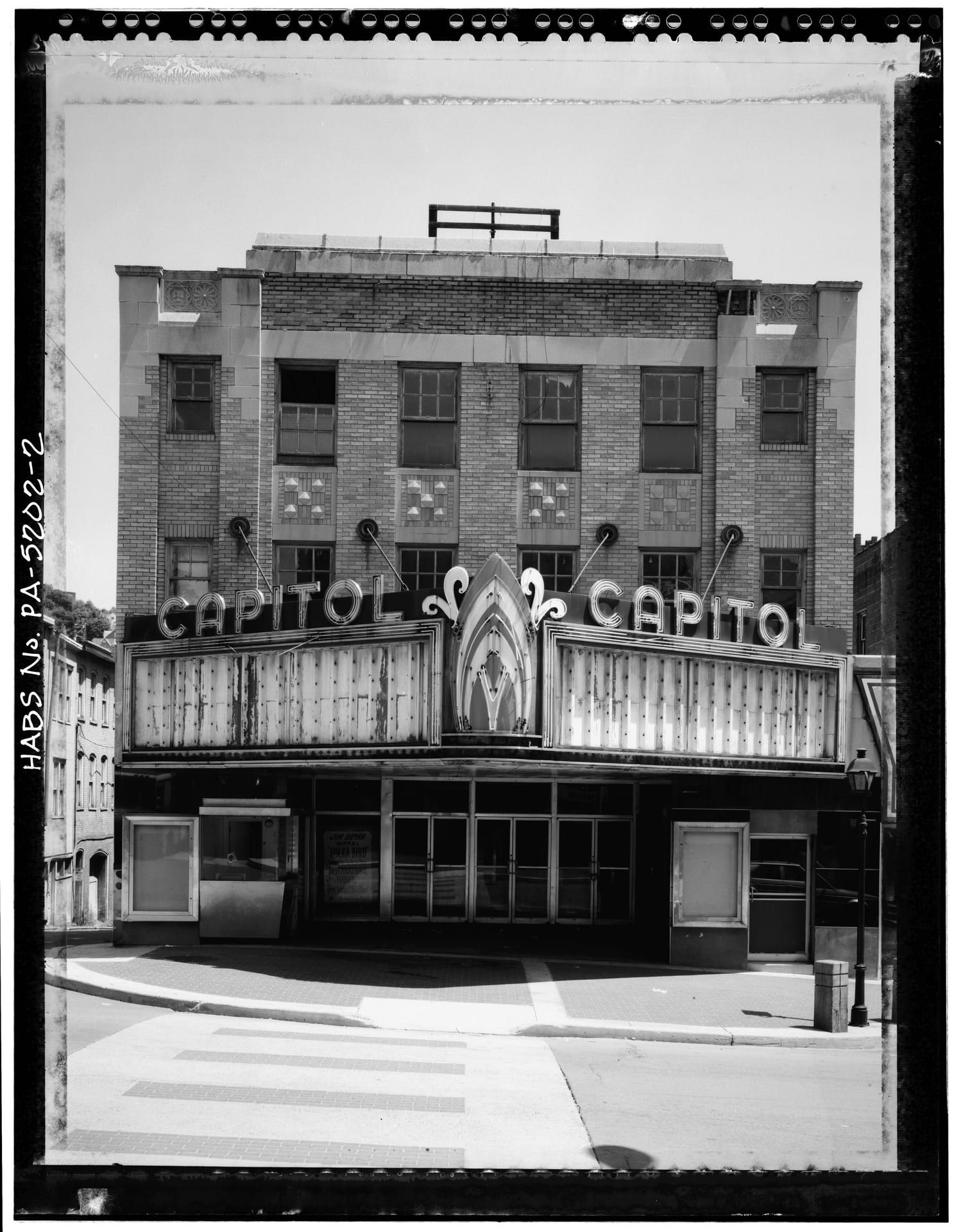
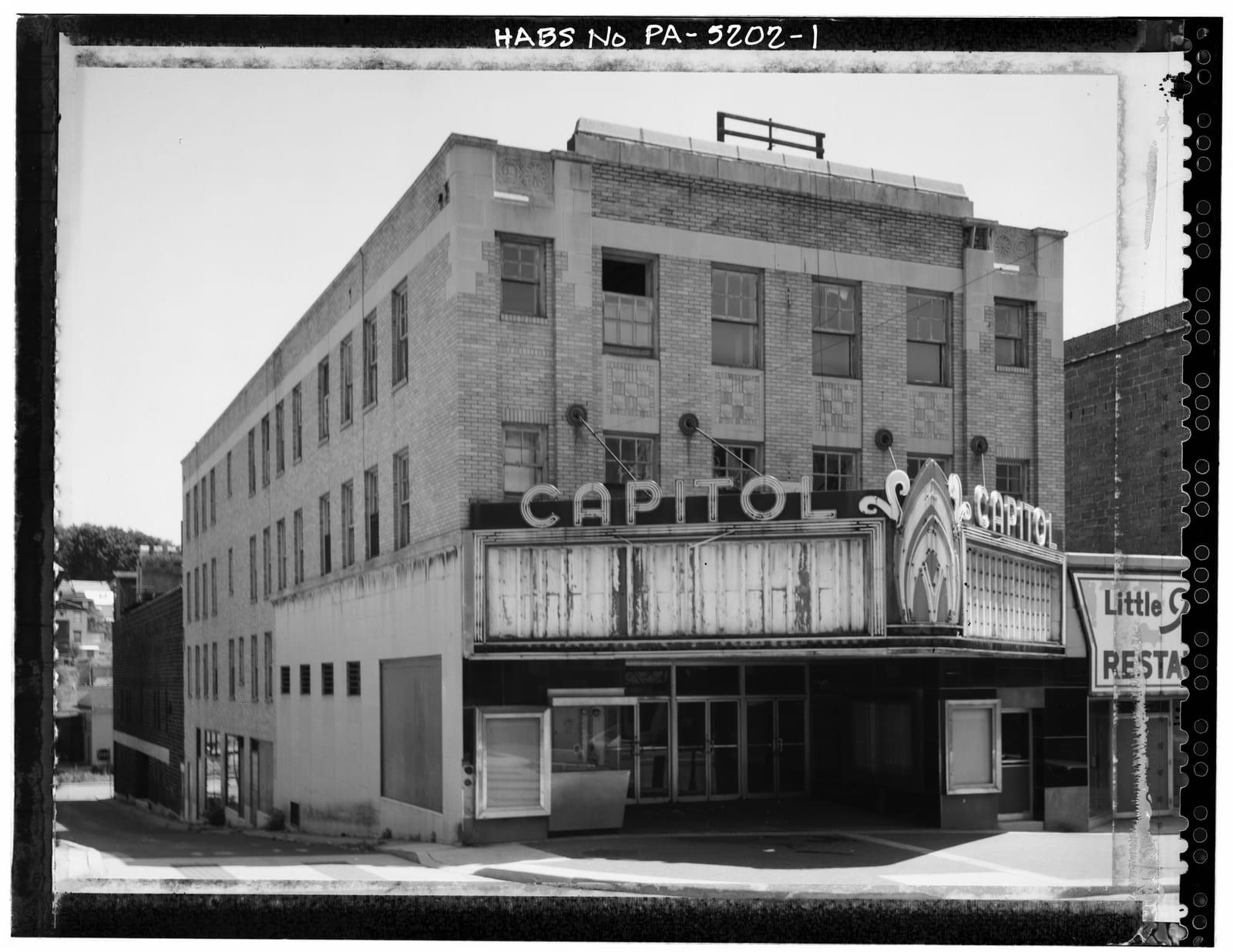
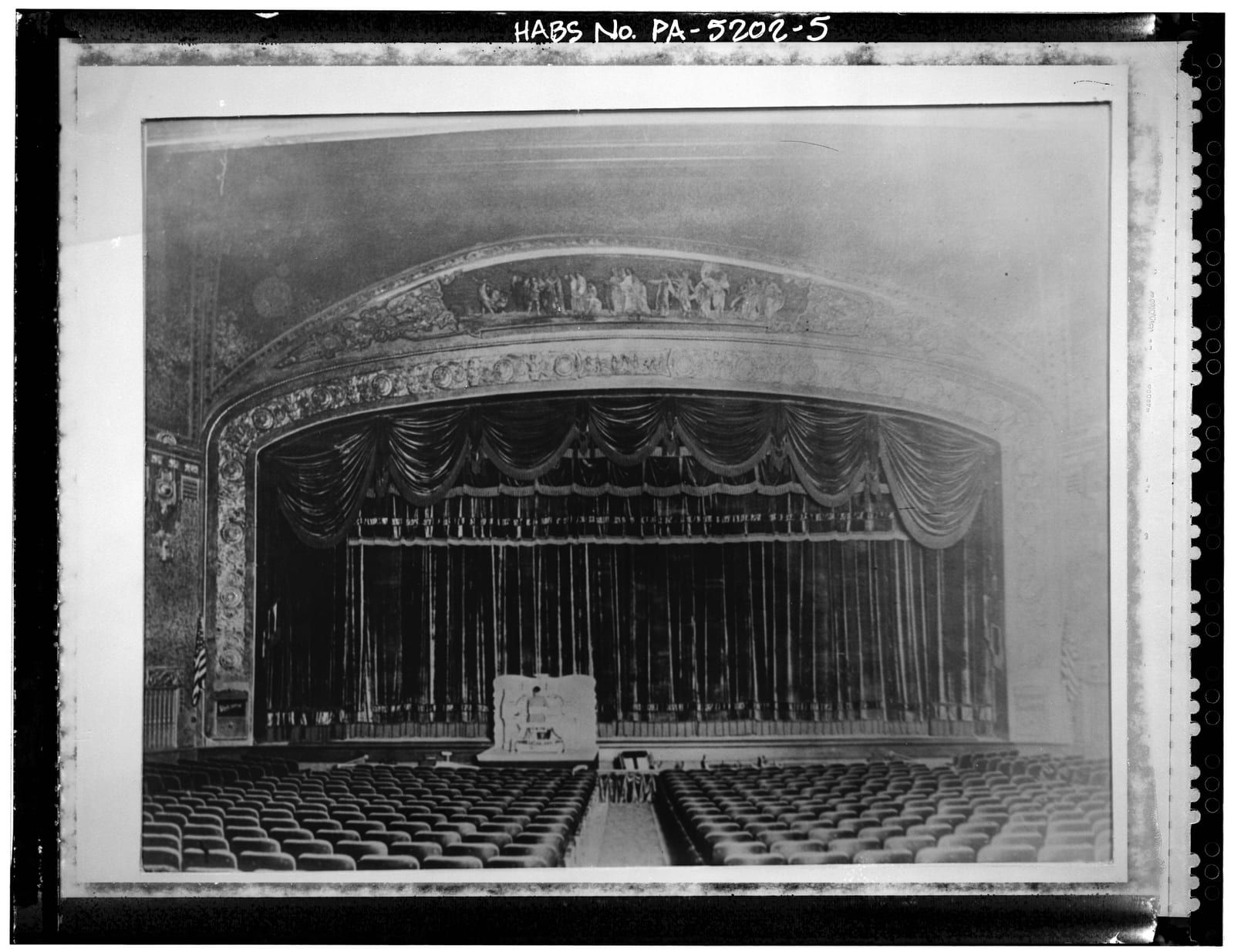
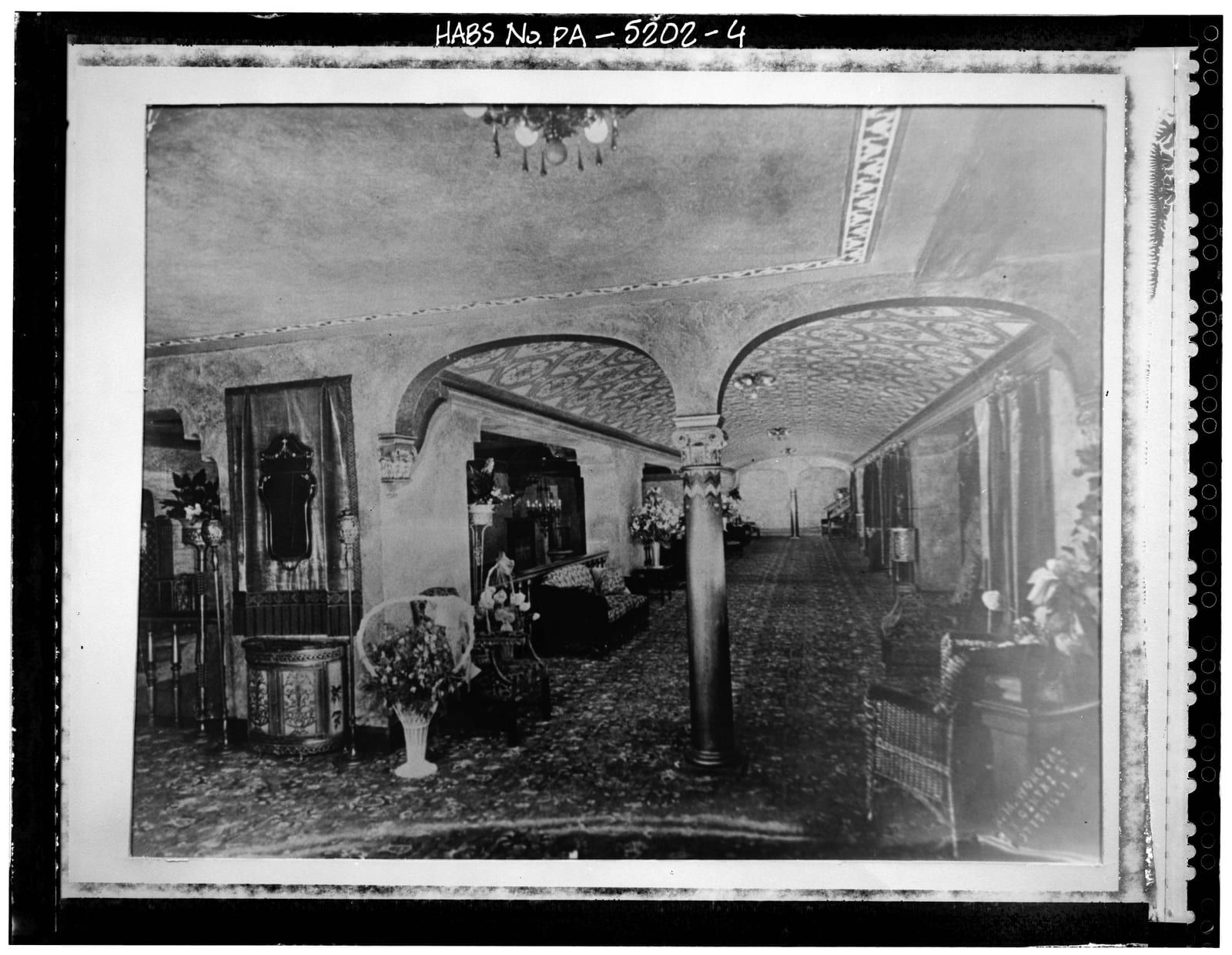
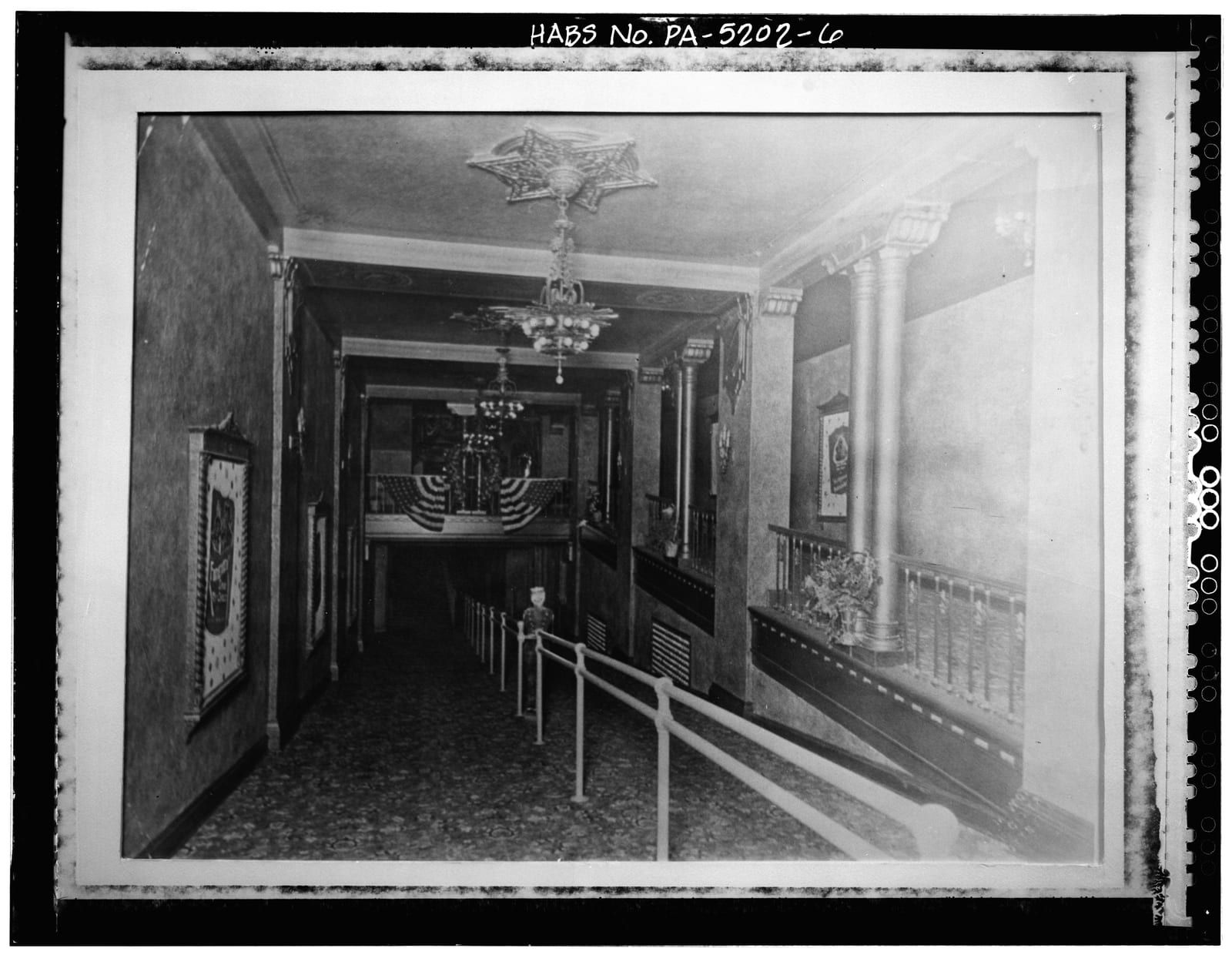
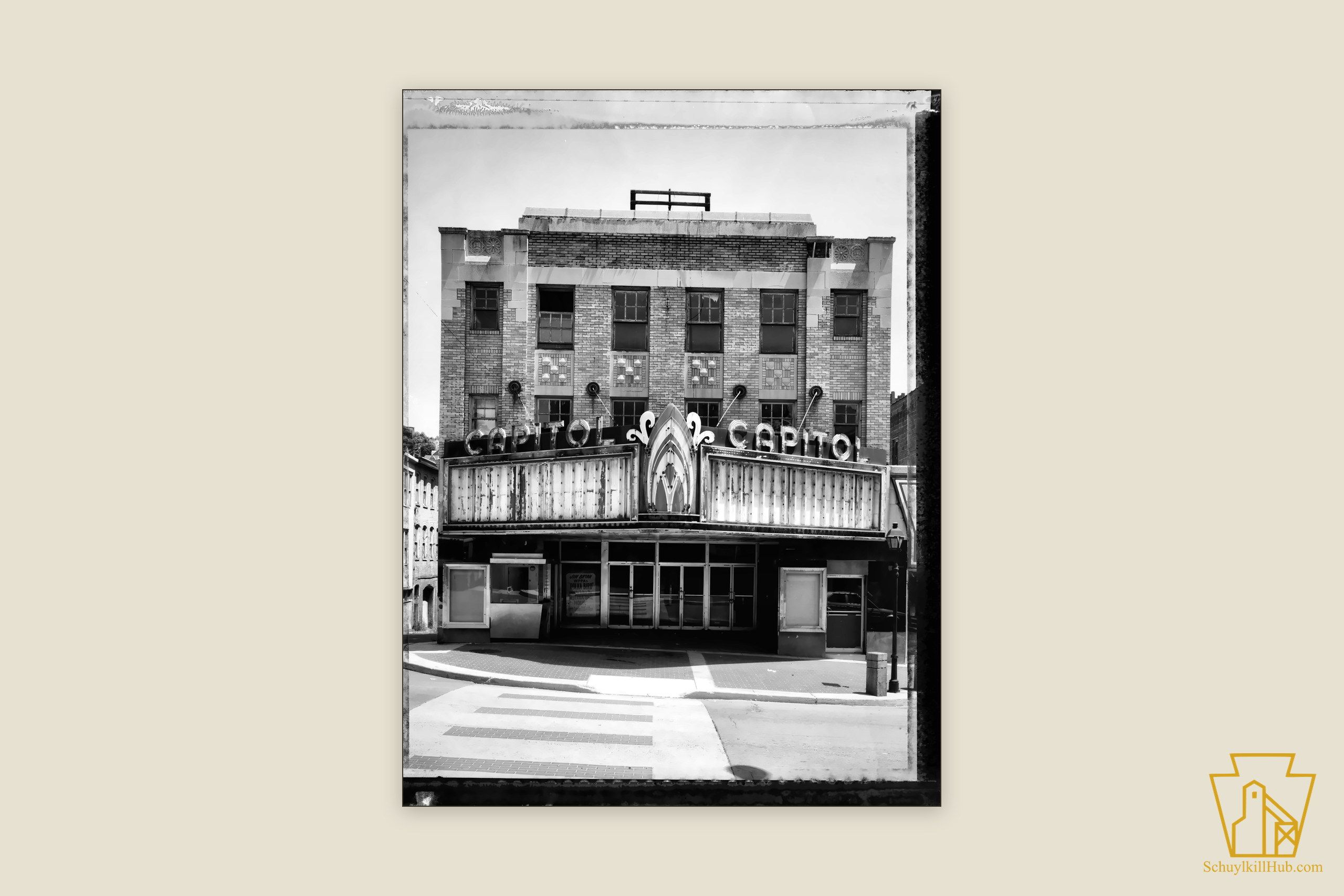
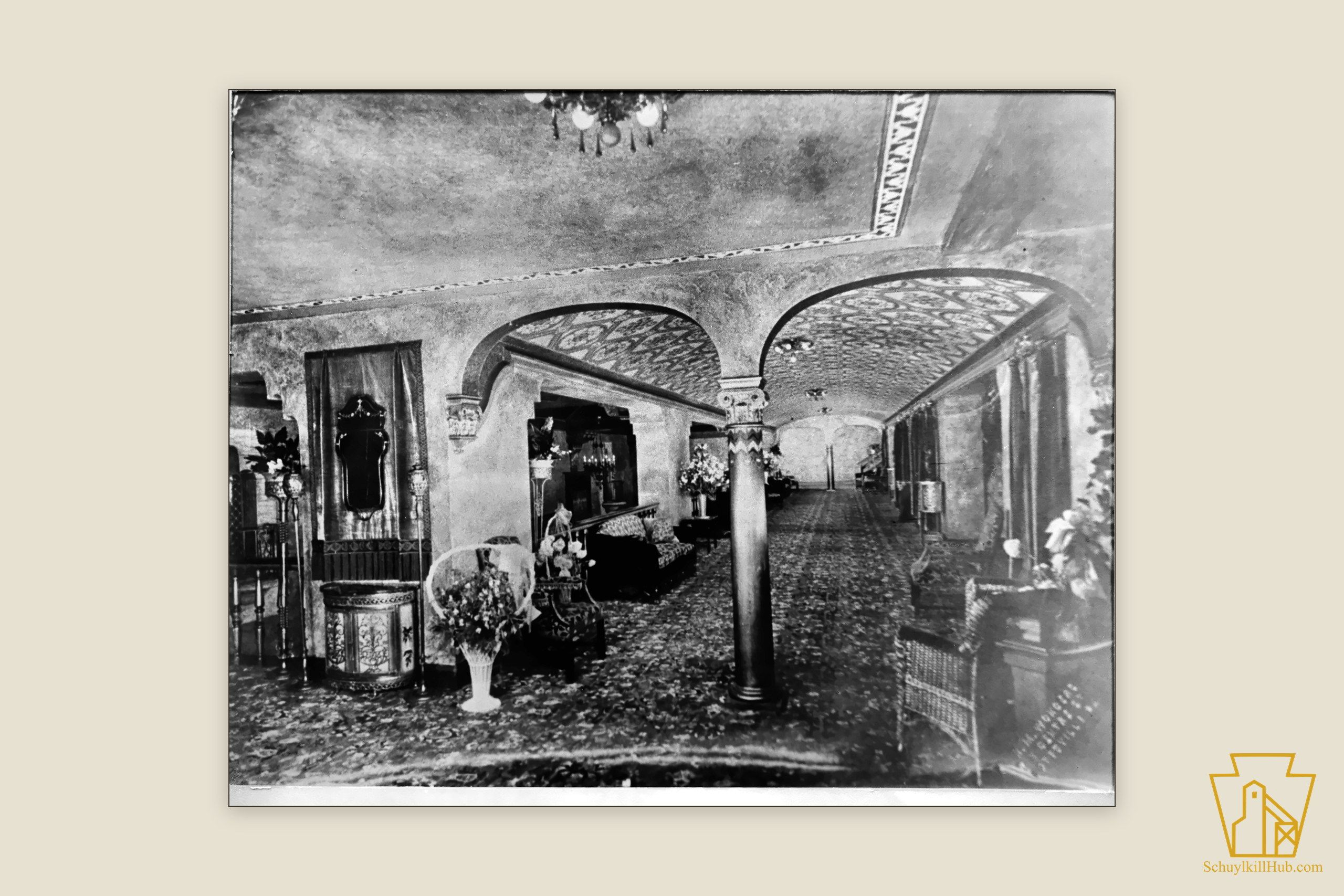
The Capitol Theatre opened at 218–220 North Centre Street in November 1927, a Spanish Colonial Revival movie palace on the Comerford circuit. Historic-structures.com records it as seating roughly 2,700 and describes it, in its day, as one of the largest movie theatres in Pennsylvania. When sound came to Pottsville in 1928 it was the Capitol — not the older, independent Majestic down the block — that received the talkie equipment, and for half a century it was the heart of downtown movie-going.
The building’s design is recorded inconsistently: some accounts credit the theatre architect William Harold Lee, while others attribute the original building to the theatre specialist Leon H. Lempert Jr., with Lee responsible only for a later remodeling. The attribution is therefore best treated as unresolved.
The theatre Pottsville chose to lose (1982)
The Capitol closed in 1977 and deteriorated; its roof eventually gave way. In 1980 it was placed — individually — on the National Register of Historic Places, a higher distinction than the Majestic’s standing as one building among hundreds in a district. Yet two years later the city tore it down.
The demolition was a city redevelopment project, paid for with a federal Urban Development Action Grant and tied to a mayoral “gameplan” that called for a parking lot on the Capitol site. Because federal money was involved and the building stood inside the National Register–listed downtown district, the project triggered the Section 106 historic-preservation review that normally forces a consultation meeting to seek alternatives. That meeting never happened: the review was handled, as one Advisory Council representative put it, “probably only through the mail.” The justification came in three voices — the city’s economic-development director called the listing “erroneously placed,” a federal Advisory Council program-review official reportedly called the 1980 listing “a mistake,” and the Pennsylvania Historical and Museum Commission held that the building had “lost its integrity.” The marquee and facade came down in mid-August 1982, and the lot became the Capitol Parking Deck.
The same year the Capitol fell, the Pottsville Downtown Historic District was added to the National Register: the city gained its historic district and lost its largest theatre within the same twelve months. The district’s inventory had listed the two neighbors side by side — the Capitol Movie Theater at Survey No. 11, and at No. 12 the plain three-story storefront beside it, the Diamonds Building at 216 North Centre, itself new-built in the mid-1920s. The theatre came down; the storefront still stands at the south edge of the parking lot that replaced it. Today the fullest surviving record of the Capitol itself is the set of Historic American Buildings Survey photographs the Library of Congress holds, taken as it came down.
Those photographs also inspired The Capitol, a virtual anthracite cinema that lights the demolished palace’s marquee once more and screens the coal region’s own public-domain films.
From the archive
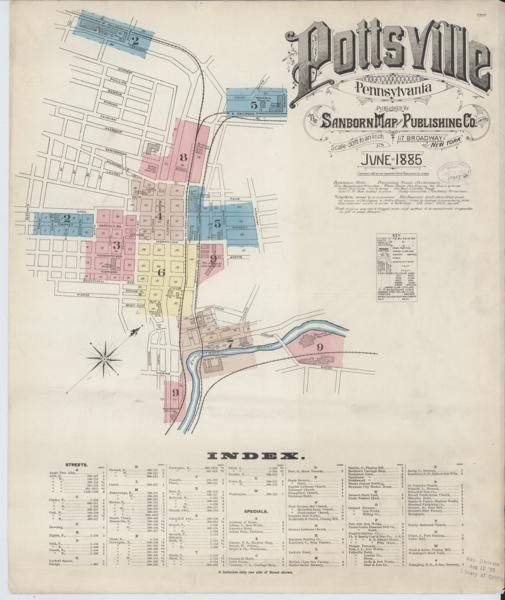
Historic maps and photographs from the Schuylkill Hub archive, each available as an archival print.
Sources
- Wikidata — Capitol Theatre (Q43386301)
License: CC0 - Historic Structures — Capitol Theatre, Pottsville Pennsylvania
License: reference - Library of Congress — Capitol Theatre, 218-220 North Centre Street (Historic American Buildings Survey)
License: public-domain - Cinema Treasures — Capitol Theatre, Pottsville
License: reference - Pottsville Downtown Historic District — National Register of Historic Places nomination (ref. 82003819, listed Mar. 1, 1982; Thomas E. Jones), inventory entries for 218–220 and 216 N. Centre St. (National Archives, NAID 71997874): Survey No. 11, Capitol Movie Theater, and Survey No. 12, "Diamond's Building," listed consecutively · 1982
License: public-domain
Frequently asked
- When was the Capitol Theatre demolished?
- In the second half of 1982 — the marquee and Centre Street facade came down in mid-August 1982, and the lot became a parking facility (the Capitol Parking Deck). It had closed as a theatre in 1977.
- Is the Capitol Theatre still on the National Register?
- It was individually listed on the National Register of Historic Places in 1980, but it was demolished in 1982 and no longer appears on the Register. Whether the National Park Service ever formally completed a de-listing, or the listing simply lapsed with the building, is not settled in the public record.